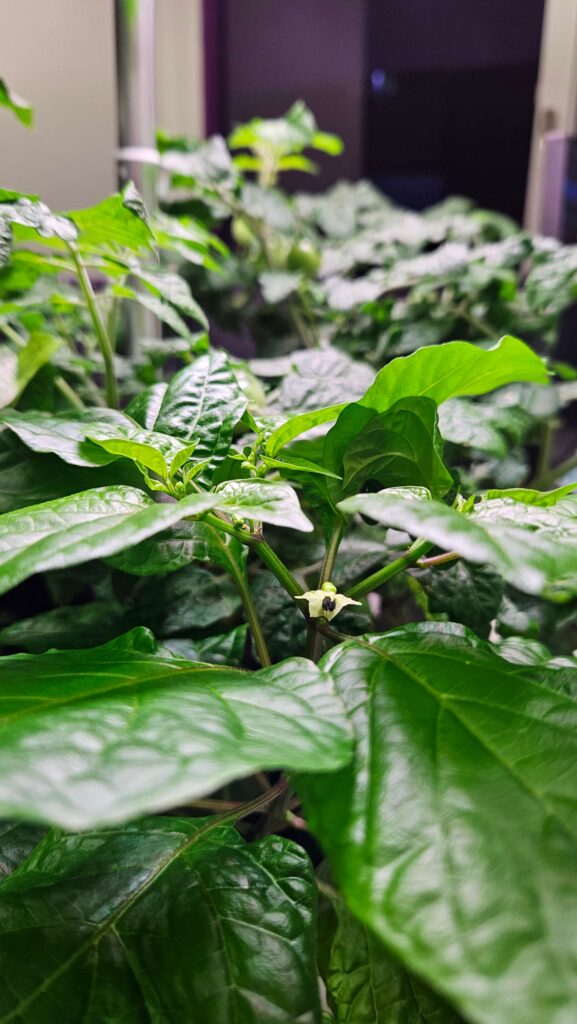
Chilli flowers falling off is almost always an environment problem rather than a disease. Over 7 days we tested 6 fixes on 12 flowering plants: holding night temperature above 16 °C, hand pollinating every 2 days, watering evenly, adding light, cutting nitrogen and moving the air. Bud retention improved within 4 days.
I look after the test bench at IndoorGarden in Tallinn, and in August 2026 I had the perfect problem to work with. Twelve cayenne plants flowered beautifully and then dropped almost every bud within a day of opening. Between 17 and 23 August I changed one thing at a time and counted the attached buds every morning at 7 a.m. Six changes made a measurable difference, and they are listed below in the order I would try them again.
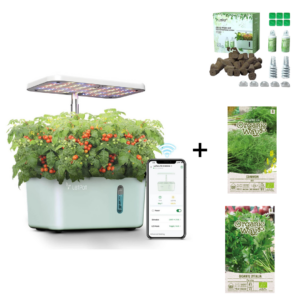
What we used — tested in our Tallinn test kitchen, ships from Estonia across the EU.

Fix 1: hold the night temperature between 16 and 24 °C
Peppers set fruit inside a narrow temperature window. The University of Maryland Extension reports that night temperatures below roughly 15.5 °C or above 24 °C, and day temperatures above 35 °C, make pepper flowers and small fruits drop. Our windowsill was reading 13 °C at 6 a.m. and 27 °C by mid-afternoon, so the plants were sitting outside that window at both ends of the day.
On 17 August I moved the bench 1.5 m back from the glass onto an interior wall and stopped venting the room overnight. The overnight minimum went from 13 °C to 17.5 °C. By 19 August the share of open flowers still attached the next morning had gone from about a third to roughly two thirds. This was the largest single improvement of the week and it cost nothing. If your plant is also stalling rather than just dropping buds, our guide on why a chilli plant is not growing covers the slower version of the same problem.
Fix 2: hand pollinate every second morning
Indoors there is no wind and no insect traffic, so a healthy flower can open, stay unfertilised for 2 days and then abscise. That is not a fault in the plant. It is a missing signal. Chilli flowers are self-fertile, so all they need is movement of pollen inside the same flower.
From 18 August I went along the row every second morning with a soft brush, touching the inside of each open flower for about 3 seconds. It takes under 2 minutes for 12 plants. Tapping the main stem sharply with a finger works nearly as well. Within 5 days I had 9 pods setting on plants that had set nothing in the previous fortnight. If you only do one thing on this list beyond the temperature fix, do this one.
One detail worth noting: dropped flowers on a chilli usually leave a short green stalk behind, while a flower removed by a pest or knocked off leaves a torn scar. Checking that stalk each morning told me within a minute whether I was dealing with stress or something eating the plant.
Fix 3: water evenly instead of deeply
The same Maryland guidance lists prolonged dry or wet soil among the main causes of poor fruit set, and that matches what I see indoors. A plant that dries out hard and then gets a full 500 ml at once will shed buds twice: once from the drought and once from the swing.
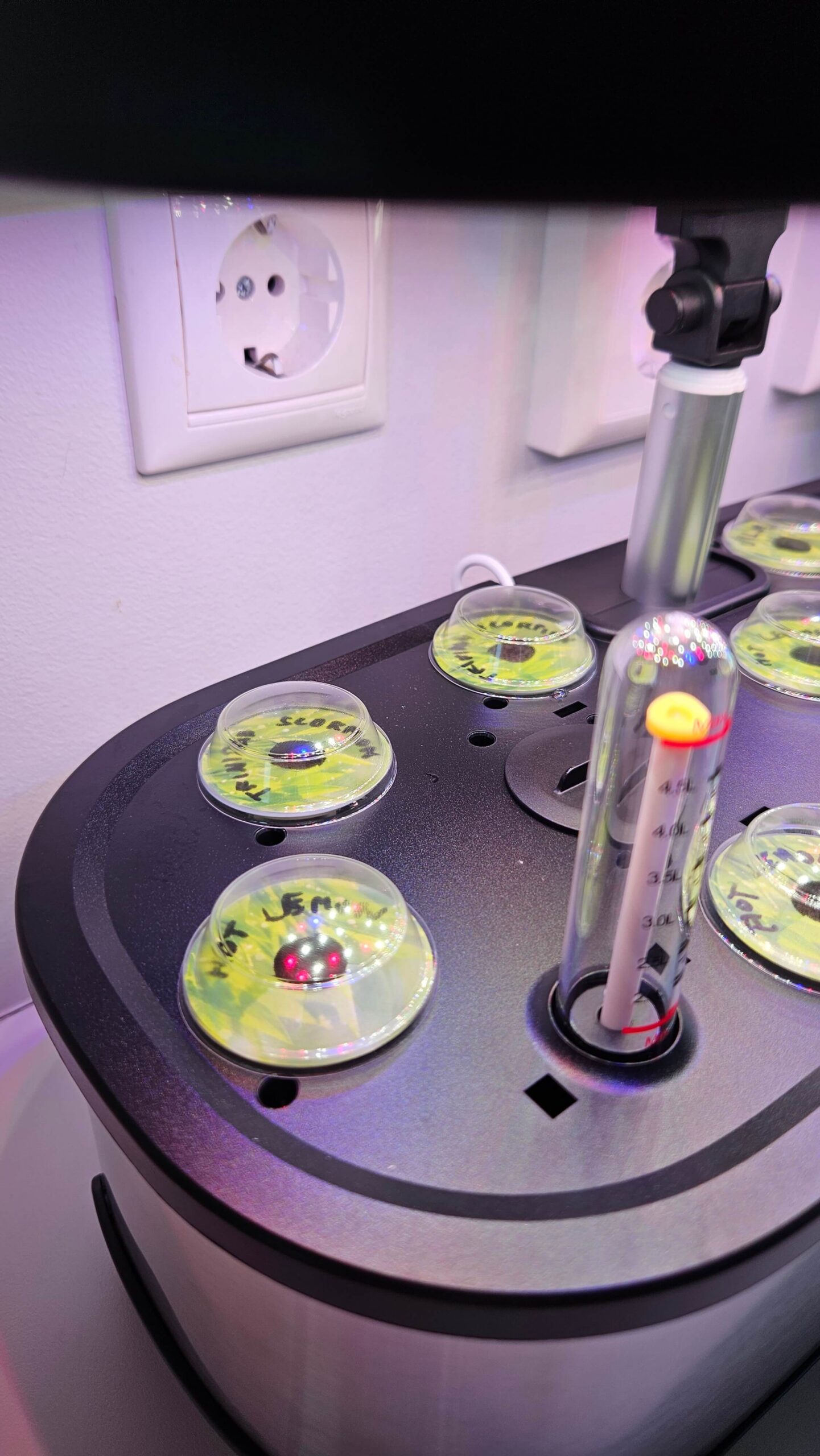
From 19 August I switched the soil-grown plants to roughly 150 ml every second day, aiming to keep the top 2 cm of compost just barely moist rather than alternating between bone dry and saturated. The hydroponic plants in the smart garden never had this problem, because the reservoir holds the root zone at a constant level. That is one practical reason fruiting crops are easier in a smart garden than on a windowsill.
Fix 4: add light rather than heat
Flowering and fruiting are expensive. A bright-looking room in Estonia in late August still delivers far less usable light than a chilli needs, and a plant short on energy will drop the flowers it cannot afford to carry. Excessive shade appears on Maryland’s list of causes for exactly this reason.
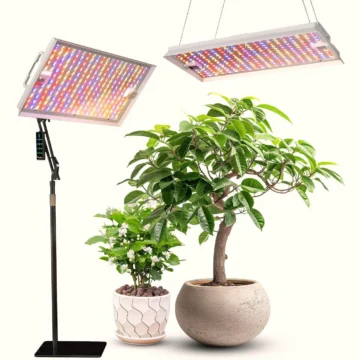
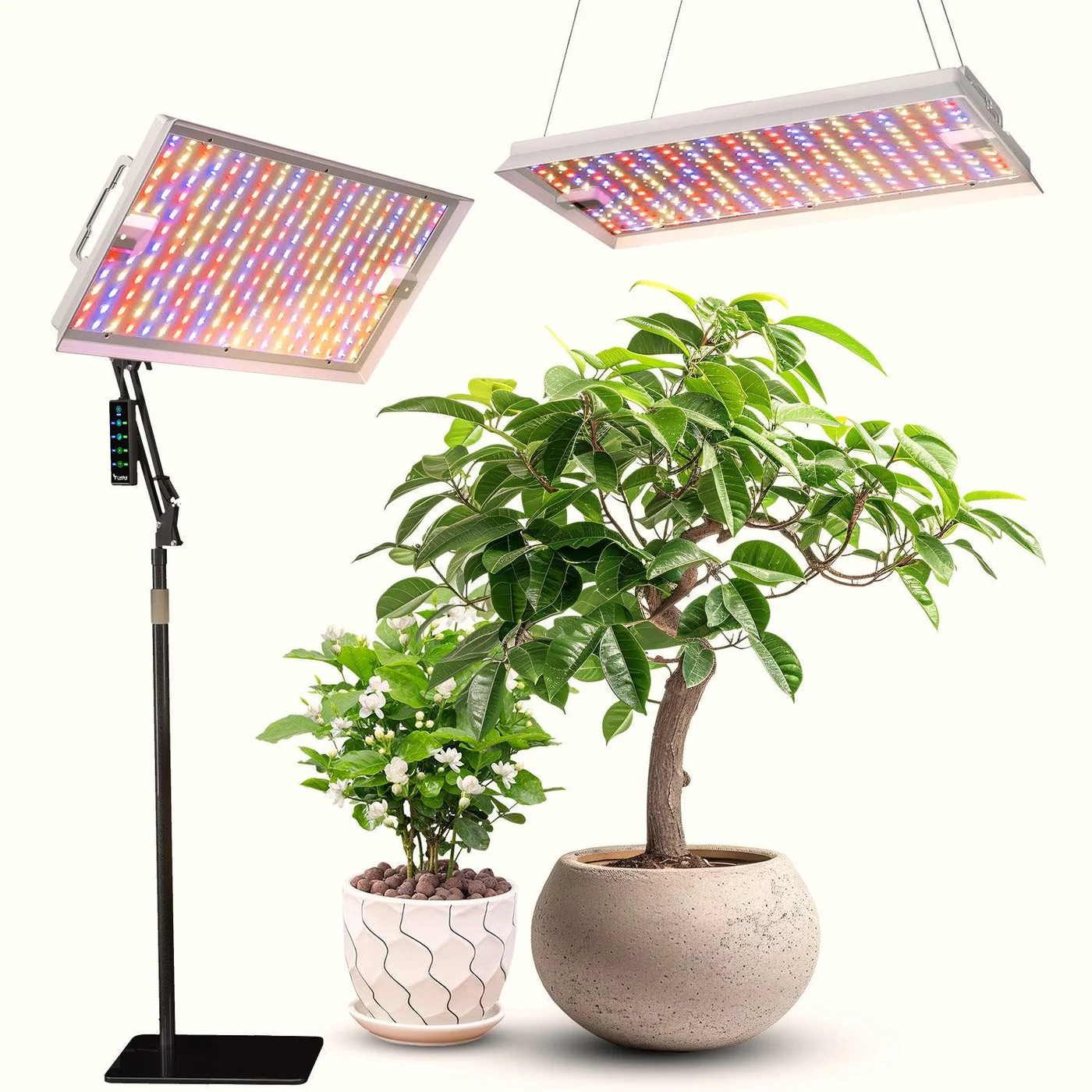
On 20 August I hung a 100 W full-spectrum panel 35 cm above the canopy and ran it for 14 hours a day. The important detail is that an LED panel adds light without adding the radiant heat of a sunny window, so it does not push you back into the problem from Fix 1. Leaf colour deepened within 3 days and new buds were noticeably larger. Our range of grow lights for indoor plants covers the panel sizes that suit a single shelf, and you can size the light for your shelf with our free indoor gardening tools.
Fix 5: cut the nitrogen once the buds open
If a plant is dark green, tall and leafy and still drops every flower, feeding is the likely culprit. Excessive nitrogen fertilisation is another item on the Maryland list, and it is easy to overdo indoors because we tend to feed on a schedule rather than on demand.
On 21 August I halved the dose on the soil plants and moved the hydroponic ones to a flowering-strength solution at around 1.8 mS/cm rather than the 2.4 mS/cm I had been running for leafy growth. Two of the leggiest plants stopped producing new leaves within a week and put that energy into the pods already set. Feeding is still necessary during flowering, and the balance simply shifts away from nitrogen.
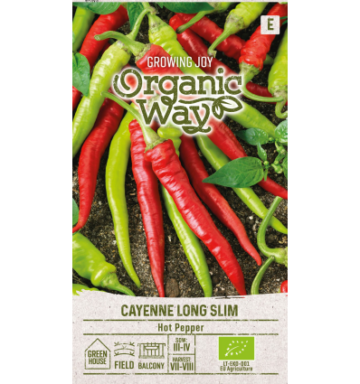
Cayenne types are among the more forgiving chillies indoors because they ripen early and stay under about 60 cm, so they reach flowering before the light drops off in autumn. Habanero and other slow, tall varieties are far harder to bring to fruit on a shelf in the Baltics, and most of the flower drop I get asked about comes from those.
Fix 6: move the air for 10 minutes, twice a day
New Mexico State University lists high relative humidity alongside heat, water shortage, insect damage and nutrient imbalance as stress factors behind chilli flower drop. Humid, still air makes pollen clump so it will not travel, which is the quiet version of the pollination problem in Fix 2.
Our corner was sitting at 68 % relative humidity with no air movement at all. From 22 August I ran a small desk fan on its lowest setting for 10 minutes in the morning and 10 minutes in the afternoon, pointed at the wall rather than at the plants. Humidity settled at 52 to 58 % and the leaf surfaces dried between waterings. Airflow also makes fungal trouble much less likely, so it earns its place even when flowers are setting normally.
Which fix to try first
Work down this table in order. The first two fixes solved most of the drop on our bench, and the rest are worth doing anyway.
| What you see | Most likely cause | Fix | What we used |
|---|---|---|---|
| Buds drop overnight, room cools sharply | Night temperature under 16 °C | Move off the windowsill, stop venting at night | Thermometer, no cost |
| Flowers open, stay 2 days, fall with a dry stalk | No pollination | Brush or tap flowers every second morning | Soft brush, no cost |
| Wilting between waterings, then heavy soaking | Moisture swings | Smaller, more frequent watering | Any measured cup |
| Pale, stretched growth, few buds | Not enough light | 14 hours of full-spectrum light at 35 cm | LetPot 100 W grow light, €159.00 |
| Lush dark leaves, no fruit | Too much nitrogen | Halve the dose, feed for flowering | LetPot hydroponic nutrients, €17.99 |
| Still, humid air above 65 % | Pollen clumping | Fan for 10 minutes, twice a day | Desk fan, no cost |
| Plant never thrived from the start | Variety unsuited to indoors | Start again with a compact early type | Cayenne long slim seeds, €1.99 |
Frequently asked questions
Is it normal for a chilli plant to drop its first flowers?
Yes, and it is common on plants under about 30 cm tall. A young plant often sheds the first 2 or 3 flowers while it is still building its root system and frame. If the plant is otherwise healthy and the next flush sets, nothing is wrong.
How long after fixing the cause will flowers start setting?
On our bench the first pods appeared 4 to 5 days after the temperature and pollination changes. Existing open flowers rarely recover, so what you are watching for is the next flush rather than the buds already on the plant.
Can I save flowers that have already dropped?
No. Once a flower abscises the stalk seals and that flower is finished. Chilli plants flower repeatedly over several months, though, so a corrected environment gives you plenty more chances in the same season.
Does a smart garden prevent chilli flower drop?
It removes the watering and light causes, because the reservoir and the LED run on a schedule. Temperature and pollination are still down to you, so hand pollination stays on the list even in a hydroponic system.
Should I remove the dropped flowers from the pot?
Take them off the compost surface when you notice them. Wet plant material sitting on the soil in a warm room is a starting point for mould, and clearing it takes seconds.
My chilli is flowering but the leaves are also yellowing
That points to feeding or root problems rather than the environment. Check the drainage first, then the strength of the feed, and read our notes on growing chillies at home from seed to harvest.
If you want to fix this today
Move the plant off the cold windowsill, brush every open flower tomorrow morning, and water in smaller amounts. Those three take 10 minutes and cost nothing. If the plant is also stretched and pale, a full-spectrum panel is the next thing I would buy, and if the variety was never suited to a flat, start again with our chilli pepper seeds chosen for indoor growing, such as the early cayenne long slim.