A common question among indoor gardeners is whether plants grow faster in hydroponic systems or in traditional soil. With more people growing herbs and greens at home, understanding how growth speed differs between these methods helps you choose the right setup for your space, goals, and expectations.
If you want a broader overview of how different growing methods compare beyond speed alone, our guide on Smart Gardens Explained: Hydroponics vs Soil vs Self-Watering Systems covers the fundamentals in more detail.
What research says about growth speed
Across multiple academic and applied studies, hydroponic systems consistently show faster growth rates for many plant types, especially leafy greens and herbs. A controlled study comparing Swiss chard grown in soil versus hydroponics found that hydroponic plants had a higher relative growth rate under identical light conditions. The researchers attributed this to direct nutrient availability and reduced root stress in water-based systems.
A broader review published by MDPI analyzing controlled environment agriculture reports that hydroponically grown plants often mature 30–50% faster than soil-grown equivalents when nutrients, light, and temperature are optimized. This faster growth is linked to reduced energy expenditure by the plant, since nutrients are delivered directly to the roots instead of being extracted from soil.
Additional peer-reviewed research summarized by the U.S. National Library of Medicine confirms similar trends. Studies show that hydroponic crops frequently reach harvest sooner and demonstrate more consistent growth patterns compared to soil systems, particularly in indoor environments where variables can be tightly controlled.
Why hydroponics often leads to faster growth
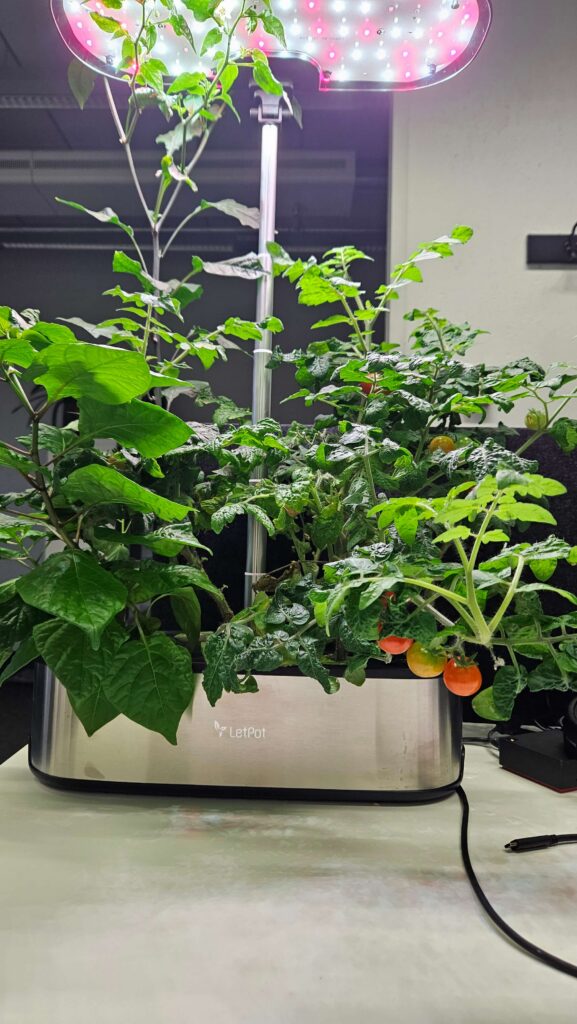
The main reason hydroponics tends to outperform soil in growth speed comes down to efficiency. In soil, plants must expend energy extending roots to locate water and nutrients. In hydroponic systems, those resources are constantly available at the root zone.
- Direct nutrient delivery allows plants to focus energy on leaf and stem development rather than root expansion.
- Stable growing conditions reduce stress caused by fluctuating moisture or nutrient availability.
- High oxygen availability around the roots supports faster metabolic activity and nutrient uptake.
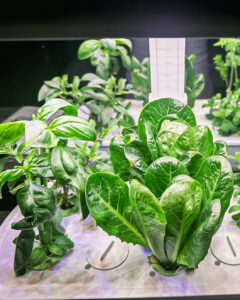
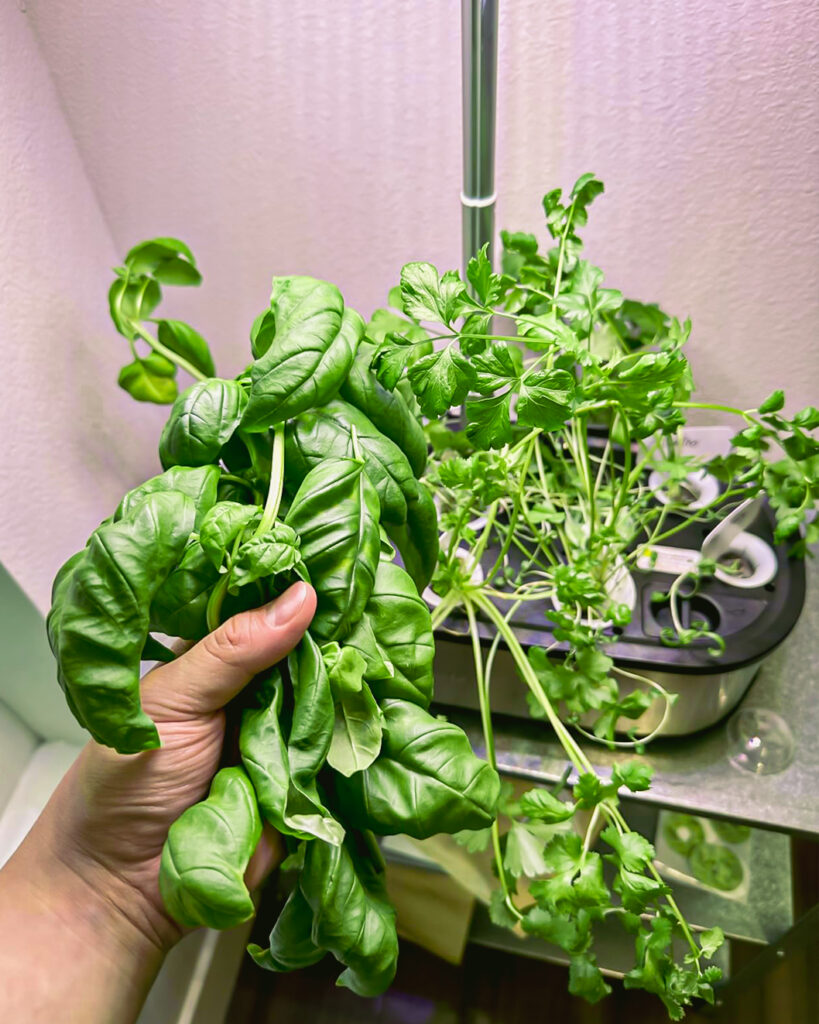
This is why crops like lettuce, basil, and spinach are often harvested earlier when grown hydroponically. If you are starting from seed, fast-germinating varieties such as lettuce seeds, basil seeds, and spinach seeds are especially well suited to hydroponic systems.
How soil compares in real conditions
Soil-grown plants are not inherently slower, but their growth rate depends heavily on soil quality, structure, and microbial activity. In well-managed soil, plants can grow vigorously, and some studies show comparable nutrient density and flavor profiles, particularly for fruiting crops like tomatoes.
However, soil introduces more variables. Nutrient availability can vary across the container, watering inconsistencies can slow growth, and compacted soil can restrict oxygen flow to roots. For beginners, this often means less predictable results compared to hydroponics.
If your goal is flexibility and simplicity rather than maximum speed, soil may still be a good option. Our article What herbs can I grow indoors? explores which plants perform well in different growing environments.
What this means for indoor gardeners
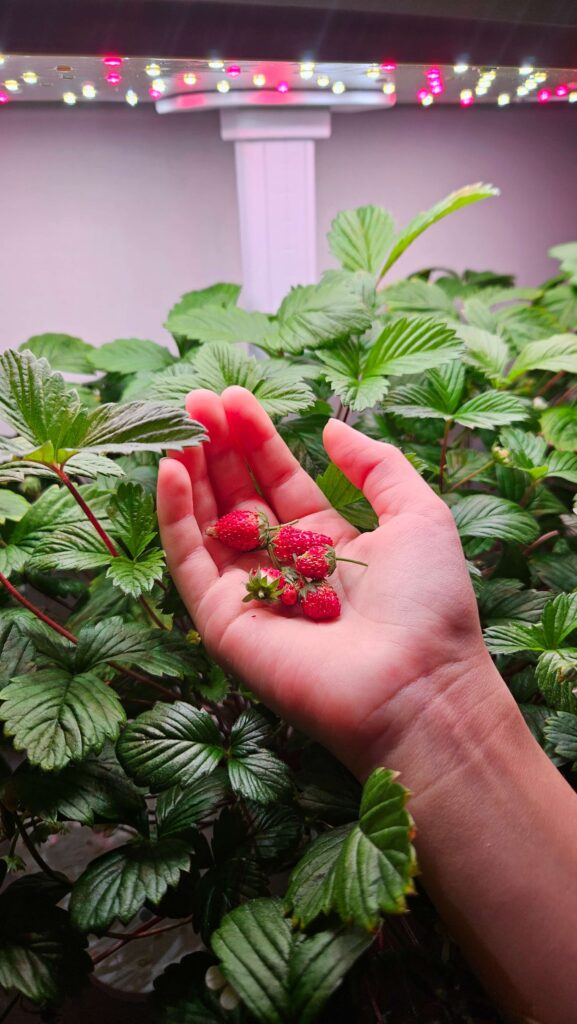
So do plants grow faster hydroponically or in soil? Based on current research, hydroponics generally produces faster growth for herbs, leafy greens, and microgreens when conditions are properly managed. Faster growth, however, comes with the responsibility of monitoring nutrients and water quality.
For indoor gardeners focused on efficiency, space savings, and quicker harvests, hydroponics offers clear advantages. This is especially true when growing compact crops like basil, lettuce, and microgreens from seed. If you want help choosing the right seeds for indoor systems, our guide on Indoor Garden Seeds: What to Grow at Home and How to Choose the Right Seeds provides practical guidance.
Conclusion
Research and real-world growing experience both show that hydroponic systems can significantly reduce the time it takes for many plants to reach harvest compared to soil. While soil remains a solid choice for traditional gardening and certain crops, hydroponics shines in indoor environments where speed, consistency, and space efficiency matter.
If you are deciding between growing methods, pairing fast-growing plants with the right system makes a noticeable difference. For a deeper comparison of systems and use cases, revisit Smart Gardens Explained: Hydroponics vs Soil vs Self-Watering Systems and explore which approach fits your indoor garden best.