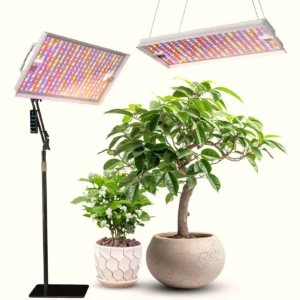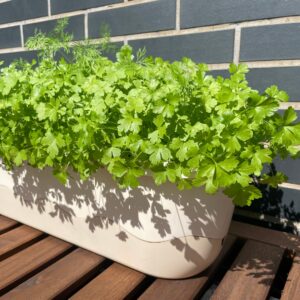
Grow lights are one of the most misunderstood parts of indoor gardening. Many people assume any bright lamp will work, while others believe grow lights are only for advanced growers or commercial setups.
The truth sits somewhere in between. Grow lights can be incredibly effective when used correctly, but confusing marketing, mixed advice, and half-truths online make it hard to know what actually matters.
This guide is written to fix that.
If you only read one page about grow lights, this should give you a clear mental model of how they work, how to choose them wisely, and how to use them without frustration. No sales pressure. No unnecessary science. Just practical understanding that works in real homes.
What Grow Lights Actually Are
A grow light is an artificial light source designed to support plant growth by providing the type of light plants need for photosynthesis.
Plants do not care how bright a room feels to us. They respond to specific light wavelengths and light intensity delivered over time. Grow lights are built to deliver light in a way that plants can actually use.
Regular household lights are designed for human vision and comfort. Grow lights are designed for plant biology.
This difference is why two lights that look equally bright to your eyes can perform very differently for plants.
Why Household Lights Are Not Enough
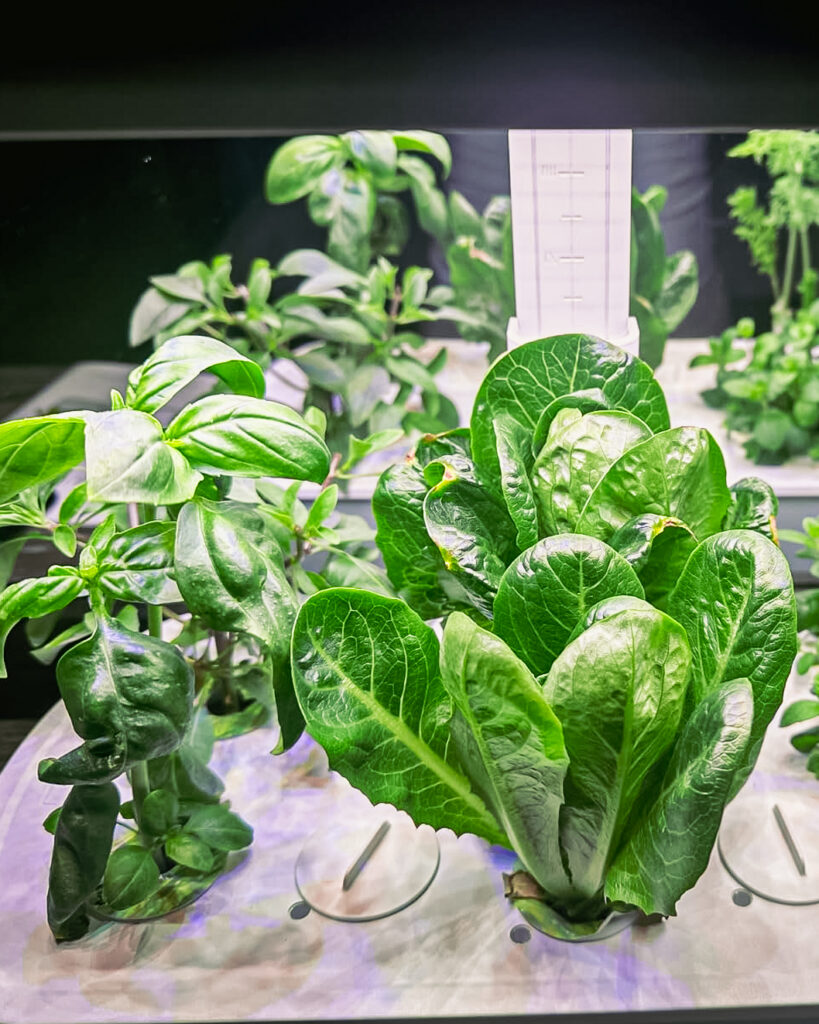
Most household bulbs are optimized to make rooms feel warm, neutral, or cozy. They focus on visual brightness and color appearance rather than plant growth.
Plants need energy from light to fuel photosynthesis. When the light spectrum or intensity is wrong, plants may survive but they rarely thrive.
Common outcomes of using regular room lights include:
- Slow growth
- Long, weak stems
- Pale or yellowing leaves
- Plants leaning aggressively toward windows
This is not because the plants are “bad” or “difficult.” It’s because the light input does not match their biological needs.
Why Plants Need Specific Light Spectra
Light is more than brightness. It is a mix of different wavelengths, each carrying different energy.
Plants use light primarily for photosynthesis, the process that turns light energy into chemical energy for growth. The most useful parts of light for plants sit mainly in the blue and red ranges of the spectrum.
Blue light supports leafy growth and compact structure. Red light supports flowering, fruiting, and overall energy production.
Good grow lights are designed to deliver usable light in these ranges, either directly or as part of a balanced spectrum.
This does not mean plants only need red and blue light. It means these wavelengths do most of the work.
Why Not All LEDs Are Grow Lights
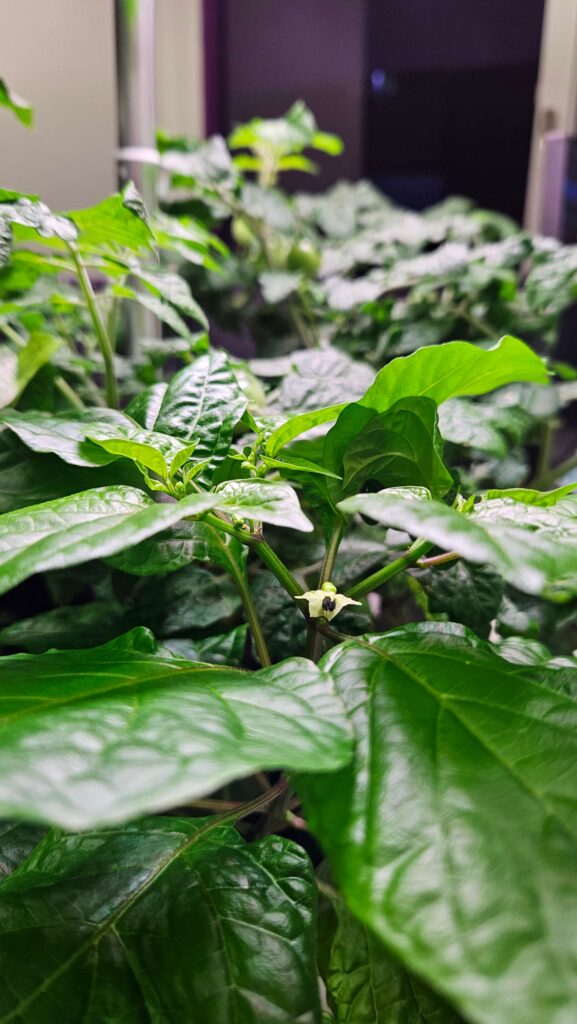
This is where a lot of confusion starts.
LED simply describes a lighting technology. It does not automatically mean the light is suitable for plants.
Many LED bulbs are designed for homes and offices. They may be energy-efficient and long-lasting, but their spectrum is still tuned for human eyes, not plant needs.
A grow LED uses specific diodes and spectral design to deliver light plants can absorb efficiently.
Two LED lights can look similar on a shelf but perform completely differently when placed above plants.
How Plants Actually Use Light (Simple Explanation)
Plants absorb light through pigments in their leaves, mainly chlorophyll. These pigments capture light energy and convert it into sugars that fuel growth.
Light intensity determines how much energy is available. Light duration determines how long plants can use that energy. Light spectrum determines how efficiently the plant can absorb it.
If one of these factors is off, growth suffers.
Too little usable light leads to weak growth. Too much light leads to stress and damage. The goal is not maximum light, but appropriate light.
This balance is what good grow lights help achieve indoors.
Why “Happy Lights”, UV Lamps, and Room Lamps Are Not Grow Lights
Some products are marketed in a way that creates false expectations.
Seasonal affective disorder lamps, mood lights, and “happy lights” are designed for human circadian rhythms. They are not built to support plant photosynthesis.
UV lamps are sometimes mentioned in plant discussions, but UV light plays a very small role in normal indoor plant growth and can be harmful when misused.
Room lamps and decorative lighting focus on appearance, not biological effectiveness.
Using these as primary plant lighting often leads to disappointing results, even if the light seems strong.
What Grow Lights Are Meant to Do Indoors
Grow lights exist to solve one core problem: indoor spaces rarely provide enough consistent, usable light for plants.
Windows reduce light intensity. Seasons change daylight length. Cloud cover, building orientation, and room layout all limit natural light.
Grow lights give you control.
They allow plants to receive predictable light every day, regardless of weather, season, or window position.
This does not mean they replace nature perfectly. It means they create a stable indoor environment where plants can grow reliably.
Understanding this role is key before choosing or using any grow light.
Grow Light Technology Explained Simply
Most modern indoor grow lights use LED technology, and for good reason. LEDs are efficient, long-lasting, and flexible in how their light output is designed.
What matters is not that a light is LED, but how that LED light is engineered for plants.
Grow lights differ mainly in spectrum design, intensity, and coverage. Understanding these differences helps you avoid buying something that looks impressive but performs poorly for your specific plants.
LED Grow Lights vs Regular LED Lights
Regular LED bulbs are made to look pleasant to human eyes. Their spectrum prioritizes how colors appear in a room rather than how plants absorb light.
LED grow lights are designed around plant response. Their spectrum targets wavelengths plants actually use for growth, even if the light looks unusual compared to normal room lighting.
This is why a grow light may appear less bright to you but still outperform a household bulb when used for plants.
Brightness to humans and usefulness to plants are not the same thing.
Understanding Light Spectrum Without Overcomplicating It
Light spectrum describes the mix of wavelengths a light emits.
For indoor plants, the most important ranges are:
- Blue light, which supports compact growth and healthy leaves
- Red light, which supports flowering, fruiting, and overall energy production
Plants do not need isolated colors to grow, but they do need access to these ranges in usable amounts.
Red and Blue Grow Lights: Why They Exist
Some grow lights use visible red and blue LEDs only. These lights focus strongly on the most photosynthetically efficient wavelengths.
They are effective at growing plants, but they often produce harsh purple lighting that can be uncomfortable in living spaces.
These lights are common in dedicated grow areas, grow tents, or places where visual comfort is not a priority.
For homes, kitchens, and living areas, many people prefer a more natural-looking option.
White Spectrum Grow Lights Explained
White grow lights use a broader spectrum that looks similar to daylight. They still include the wavelengths plants need, but they distribute them in a way that feels more natural to humans.
This makes white spectrum grow lights easier to live with in everyday spaces.
They allow you to see plant color accurately, notice problems early, and enjoy the plants visually while still supporting healthy growth.
For most indoor gardeners, white spectrum grow lights are the easiest and most flexible choice.
What “Full Spectrum” Really Means
The term “full spectrum” is widely used and often misunderstood.
In practice, it means the light emits a broad range of wavelengths rather than focusing on just red and blue.
A good full spectrum grow light supports both leafy growth and flowering stages without needing to change bulbs or settings.
Not all lights labeled “full spectrum” are equal, but the concept itself is sound and practical for indoor growing.
Why UV Light Is Not Necessary for Beginners
UV light is sometimes mentioned as a way to increase plant stress responses or certain compounds.
For normal indoor gardening, UV light is unnecessary and often counterproductive.
It can damage leaves, increase risk to human eyes and skin, and adds complexity without meaningful benefits for most home growers.
Healthy plant growth indoors does not depend on UV exposure.
Why Mood Lamps and Daylight Bulbs Are Not Grow Lights
Daylight bulbs and mood lamps are designed to influence human perception and comfort.
They may look bright or natural, but they usually lack the intensity and spectral balance plants need over long periods.
These lights can sometimes supplement natural light for very low-light plants, but they rarely succeed as a primary light source.
Choosing the Right Grow Light Based on Plant Type
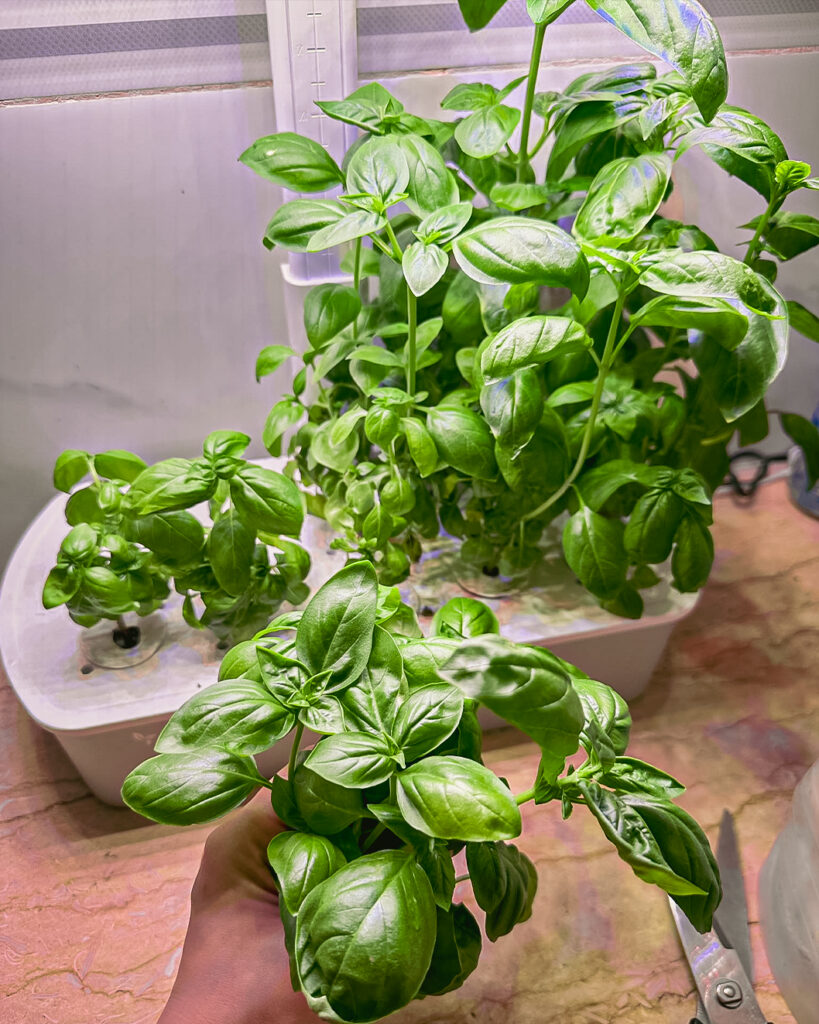
Different plants have different light expectations.
Leafy herbs and greens generally need moderate light intensity and respond well to broad-spectrum lighting.
Fruiting plants need stronger light and longer daily exposure to support flowering and fruit development.
Houseplants vary widely, but many benefit from consistent, gentle supplemental light rather than intense direct exposure.
Choosing a grow light that matches your plant category matters more than choosing the strongest option available.
Choosing Based on Space and Coverage
Grow lights are designed to cover a specific area effectively.
A small shelf or countertop needs a different solution than a full room or multi-level setup.
Using one strong light too far away or one weak light too close both lead to problems.
Matching light size and output to the growing area creates more even growth and fewer stressed plants.
Beginner vs Advanced Grow Light Use
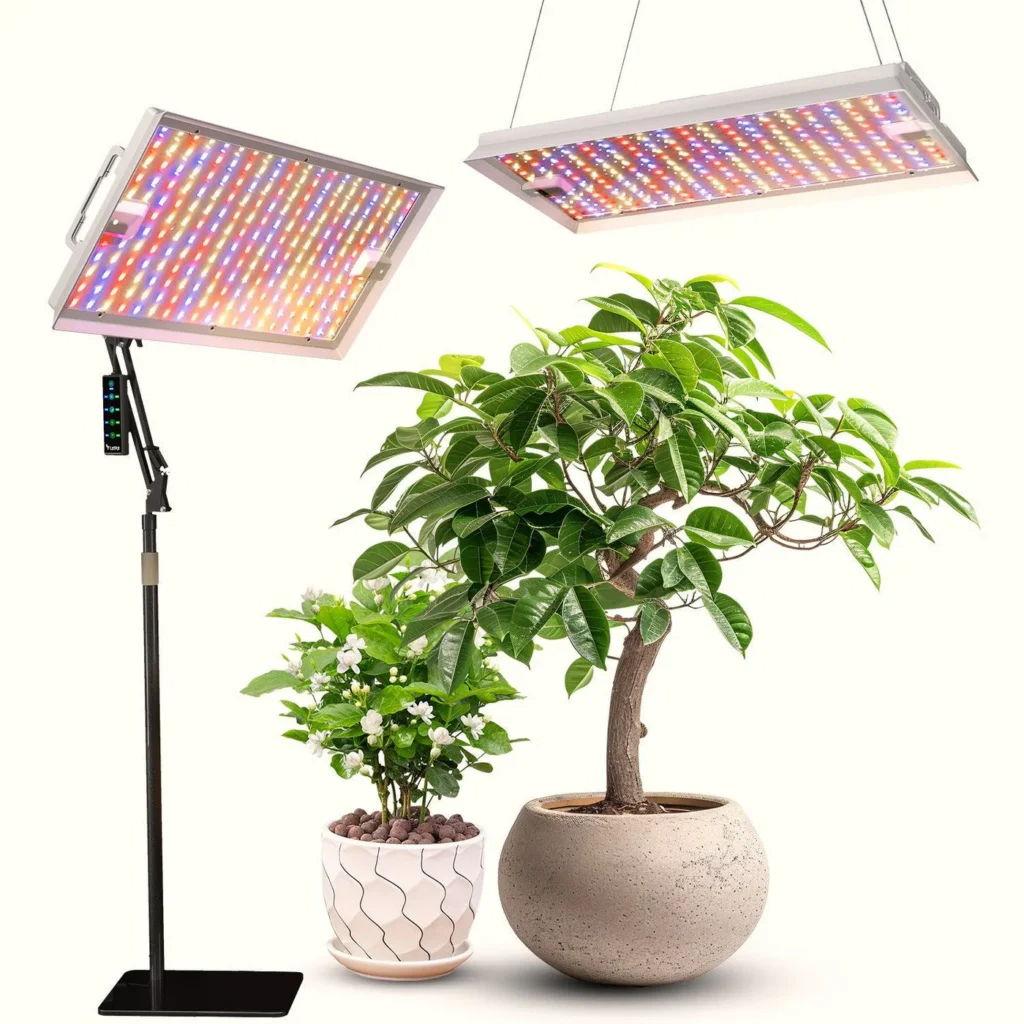
Beginners benefit from simple, consistent setups that require minimal adjustment.
Advanced users may fine-tune spectrum, intensity, and timing for specific plants or growth stages.
There is no advantage in starting with complexity.
A reliable full-spectrum LED used correctly outperforms an advanced system used incorrectly.
Balancing Budget and Performance
More expensive grow lights often offer better efficiency, durability, and coverage.
However, good results are possible without premium equipment when expectations and usage are realistic.
The goal is stable, usable light over time, not maximum power.
Choosing a light that fits your space and plants avoids unnecessary upgrades later.
Setting Up Grow Lights Correctly
Even the best grow light will fail if it is used incorrectly.
Indoor plants respond not just to the type of light, but to how close it is, how long it stays on, and how consistently it is used.
The goal is steady, predictable light that matches what the plant expects.
Distance From Plants Matters More Than Power
Grow lights must be placed close enough to deliver usable light, but not so close that they overwhelm the plant.
When lights are too far away, plants stretch toward them and become weak. When lights are too close, leaves can bleach, curl, or dry out.
Most indoor grow lights work best when positioned within a moderate distance above the plant canopy. This distance changes as plants grow and should be adjusted gradually.
Observing plant response is more reliable than following exact numbers.
Daily Light Duration and Light Cycles
Plants need darkness as much as they need light.
Continuous light does not speed up growth. It stresses plants and interferes with their natural processes.
Most indoor plants perform well with a consistent daily light cycle that mimics a long, bright day followed by full darkness.
Using a timer removes guesswork and keeps plants on a stable rhythm.
Signs of Too Much or Too Little Light
Plants communicate light problems clearly if you know what to look for.
Signs of insufficient light include slow growth, pale leaves, long stems, and plants leaning strongly toward the light source.
Signs of excessive light include leaf bleaching, dry or crispy edges, curled leaves, and stalled growth despite strong lighting.
Adjusting distance or duration usually solves these issues without changing the light itself.
Combining Natural Light and Grow Lights
Grow lights can replace sunlight or supplement it. In bright rooms with windows, grow lights often work best as a supplement that fills in gaps during mornings, evenings, or darker seasons. In rooms without usable windows, grow lights become the primary light source.
Both approaches are valid as long as total daily light exposure matches plant needs.
Artificial Light vs Sunlight Indoors
Sunlight is powerful but unpredictable indoors. Windows reduce intensity, change angle throughout the day, and vary dramatically by season. Grow lights provide consistency. They deliver the same intensity, spectrum, and duration every day. This predictability often leads to healthier indoor growth than relying on window light alone.
Do Grow Lights Actually Work?
Yes, grow lights work when expectations are realistic and setup is correct.
Plants can complete their full life cycle under artificial light alone, including flowering and fruiting, when light intensity and duration are sufficient. Leafy greens, herbs, and many houseplants perform especially well under grow lights. Large fruiting plants demand more light and space, which can be limiting indoors.
Plants That Perform Best Under Grow Lights
Plants with moderate light needs and compact growth habits are ideal for indoor lighting. Leafy greens and herbs respond quickly and predictably. Decorative houseplants benefit from supplemental lighting that maintains steady growth and leaf color. Plants that naturally grow in full outdoor sun require stronger setups and careful management.
Limitations of Grow Lights
Grow lights are not magic. They cannot compensate for poor watering, unsuitable temperatures, or incorrect plant selection. They also cannot perfectly replicate outdoor sun for every plant type. Understanding these limits prevents frustration and unrealistic expectations.
Why Plants Fail Under Grow Lights
Most failures come from mismatches rather than faulty equipment. Common causes include using lights that are too weak, placing lights too far away, running lights too long, or choosing plants that outgrow the available setup. Correcting one variable at a time usually restores healthy growth.
Energy Use and Cost Awareness
LED grow lights are energy-efficient compared to older technologies. They convert more electricity into usable light and produce less excess heat. For most home setups, energy costs remain modest when lights are sized appropriately and run on a timer. Running a light longer than necessary increases cost without improving results.
Smart Usage Tips to Reduce Cost
- Match light size to plant area rather than oversizing.
- Use timers to avoid wasted hours.
- Supplement daylight instead of replacing it when possible.
- Keep lights clean to maintain efficiency.
Safety and Health Considerations
Modern LED grow lights are safe when used as intended. They do not produce harmful radiation when designed for indoor use. Avoid staring directly into bright grow lights for extended periods, as they can strain eyes. Normal room exposure is not dangerous.
Common Myths About Grow Lights
Grow lights do not provide vitamin D to humans. They do not need UV to function for most plants. They do not harm indoor air quality. They are tools, not shortcuts.
Final Thoughts: When Grow Lights Make Sense
Grow lights are about control and consistency.
They allow indoor gardeners to work with herbs, leafy greens, and other plants instead of against seasonal and environmental limits.
Used correctly, they create reliable growing conditions that lead to healthier plants and better results.
Understanding how they work, choosing wisely, and using them thoughtfully matters far more than buying the strongest or most expensive option.
This foundation makes it easier to explore deeper topics like plant-specific lighting, smart garden systems, spectrum details, and advanced setups with confidence.