Self-Watering Systems for Indoor Plants: How They Work, When to Use Them, and What Actually Works

Self-watering systems are often presented as a simple fix for indoor plant care. The promise is appealing: fewer watering mistakes, healthier plants, and peace of mind when life gets busy. But the reality is more nuanced. Some self-watering systems work extremely well in the right context, while others fail because expectations, plants, or setup don’t match.

This guide is designed to be a definitive, no-nonsense explanation of self-watering systems for indoor plants. We’ll go deep into how plants actually take up water, how different systems work, where they shine, where they struggle, and how they compare to smart gardens and hydroponic systems. If you’ve ever wondered whether self-watering is “worth it,” this article is for you.

Introduction: Why self-watering systems matter for indoor gardeners

The real challenge of indoor gardening is not knowledge. It’s consistency.

Most people lose plants because watering doesn’t match real life. We forget. We travel. We water too much to “make up” for missed days. We follow rigid schedules even though indoor conditions change with seasons, heating, and daylight.

Indoors, plants are entirely dependent on us. There is no rain to correct mistakes and no deep soil buffer to absorb excess water. That’s why watering mistakes are responsible for more indoor plant failures than pests, nutrients, or even light.

Self-watering systems exist to reduce this human error. They don’t remove responsibility, but they soften the extremes that kill plants.

Who this guide is for

  • Beginners who want fewer plant losses
  • People who travel or have irregular routines
  • Indoor gardeners deciding between soil, self-watering, or smart gardens
  • Smart garden users exploring soil-based alternatives

How plants take up water indoors (foundation section)

How roots absorb water

Plants absorb water through fine root hairs that sit at the interface between root and growing medium. Water moves into the root by osmosis, driven by concentration differences and root pressure.

This process works best when moisture around the roots is stable. Not flooded. Not bone dry. Stable.

Surface watering vs bottom watering

Traditional watering applies water from the top. Gravity pulls excess water downward and out of the pot. This is fast but inefficient. Much of the water never stays where roots can use it.

Bottom watering works differently. Moisture rises gradually from below, and roots draw up only what they need. This method keeps the root zone evenly moist and reduces nutrient loss through drainage.

Why consistency matters more indoors than outdoors

Outdoor plants benefit from larger soil volumes, microbial life, wind, and natural drying cycles. Indoors, pots are small, airflow is limited, and evaporation is slower.

This makes indoor plants far more sensitive to watering extremes. Repeated cycles of drought followed by saturation damage roots, slow growth, and invite disease.

What happens when plants dry out or stay wet too long

  • Drying out: root hairs die, water uptake drops, leaves wilt or drop
  • Staying wet: oxygen is displaced, roots suffocate, rot develops

Most indoor plant decline is slow and cumulative. Self-watering systems help by reducing these damaging swings.

What is a self-watering system?

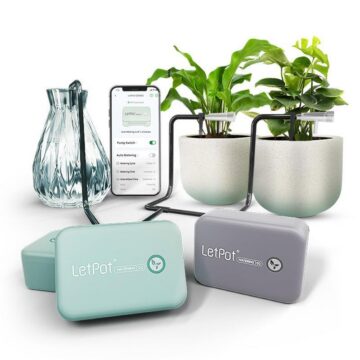
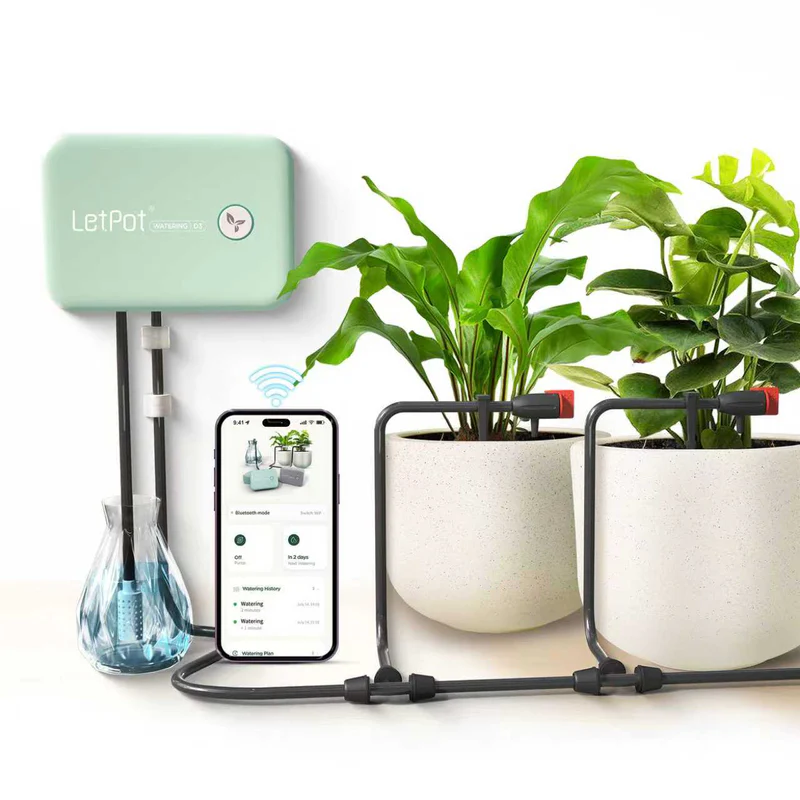
LetPot Self Watering system has already everything included

A self-watering system is any setup that delivers water gradually and predictably without requiring frequent manual watering.

What counts as a self-watering system

  • Pots with built-in water reservoirs
  • Wick-based or capillary systems
  • Low-flow drip systems designed for indoor use

What does not count

  • Pots without drainage holes
  • “No water for months” claims
  • Decorative cache pots that trap excess water

Passive vs active systems

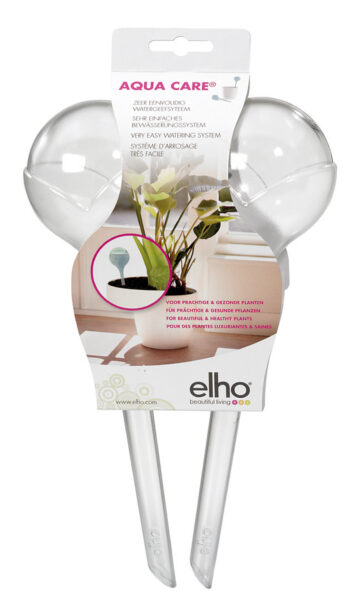
Passive systems rely on physics (capillary action). They have no moving parts and fail slowly, which makes them safer for beginners.

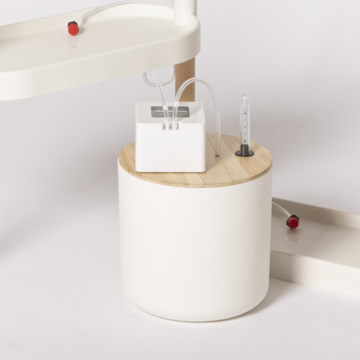
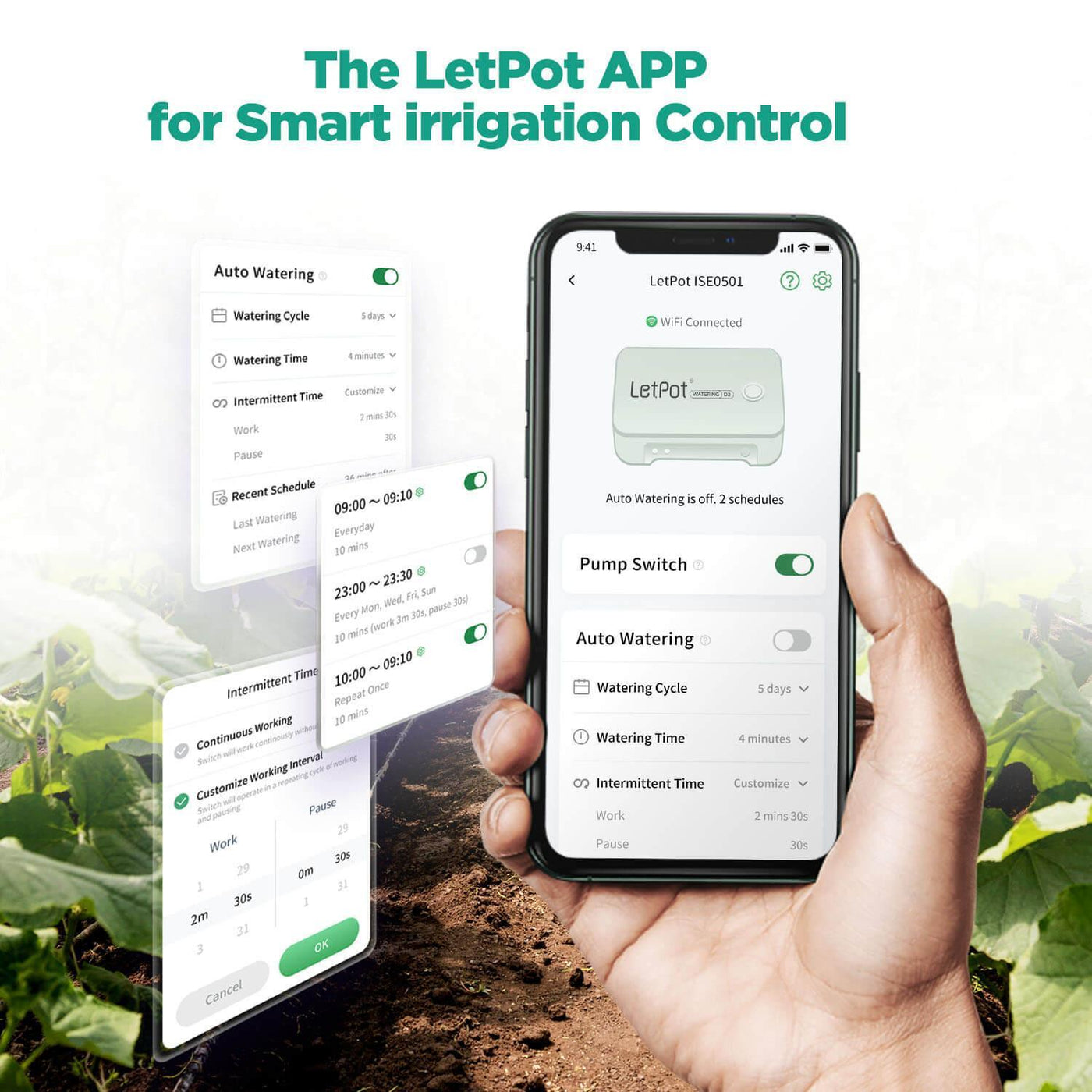
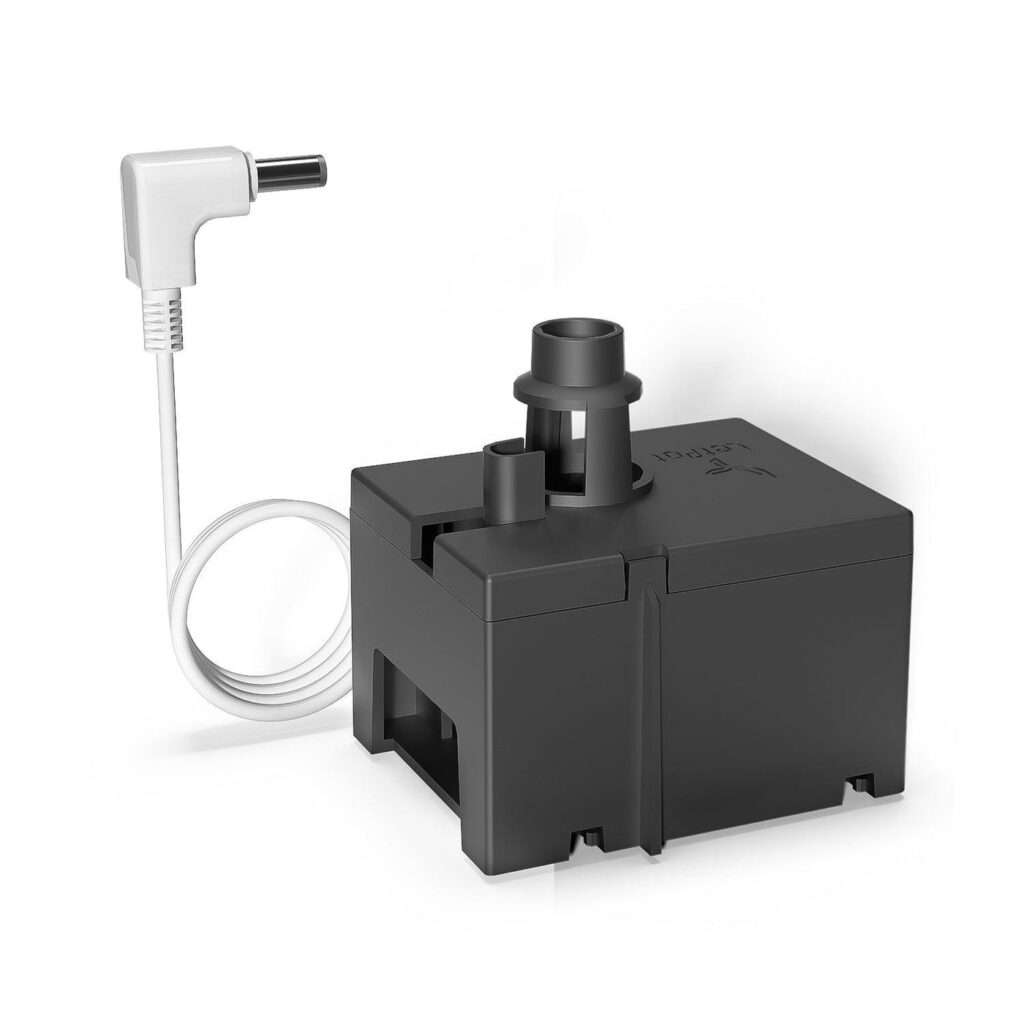
Active systems use pumps, timers, or electronics. They offer more control but require correct setup and maintenance.

Manual vs automatic watering explained simply

Self-watering does not mean self-thinking. Most systems still require you to refill water. What they automate is delivery, not decision-making.

Types of self-watering systems (core comparison)

Self-watering pots and containers

How they work

These containers separate water storage from soil. A reservoir sits below the growing medium. Moisture travels upward via a wick or porous barrier.

How long water lasts

Small pots may last several days. Larger containers can last one to two weeks, depending on plant size, temperature, and light.

Common mistakes

  • Using dense soil that blocks capillary flow
  • Keeping the reservoir permanently full
  • Growing drought-loving plants in constant moisture

Who they are best for

  • Herbs and leafy greens
  • Moisture-loving houseplants
  • People who forget occasional watering

Examples can be found in our self-watering pots category.

Automatic watering systems for indoor plants

Automatic systems distribute water through drip lines or emitters controlled by timers or sensors.

When automation makes sense

  • Large plant collections
  • Long or frequent travel
  • Plants placed far from sinks or windows

Where they fail

Automation amplifies mistakes. A poorly calibrated system can overwater every plant equally.

DIY self-watering solutions

What works

  • Short-term bottle or wick setups
  • Emergency travel solutions

Where DIY fails

  • Unpredictable flow rates
  • Hygiene and algae buildup
  • Flooding risk

Are Self-Watering Systems Worth It?

Fresh strawberry harvest from LetPot Air smart garden with self watering system

The short answer is: yes, for the right plants and the right people. The longer answer is more useful.

Self-watering systems are not a universal upgrade that magically improves every plant. Their value comes from how well they solve a very specific problem: inconsistent watering in indoor environments. To understand whether they’re worth it, you need to look at what they actually improve, and what they do not.

What self-watering systems genuinely improve

Consistency (this is the biggest benefit)

Most indoor plant problems start with uneven moisture. A plant dries out too much, then gets soaked too heavily, then dries again. Even experienced growers fall into this pattern indoors because pots are small and conditions change quickly.

Self-watering systems smooth out these extremes. Instead of large, infrequent watering events, plants receive smaller, steadier amounts of water. This protects fine root hairs, keeps oxygen available in the root zone, and reduces stress.

For many plants, this consistency alone is enough to noticeably improve health and growth.

Reduced “panic watering”

One of the most common mistakes indoor gardeners make is overwatering after forgetting to water. Self-watering systems act as a buffer. Even if you forget for a few days, the plant is still accessing moisture from the reservoir.

This doesn’t just protect the plant. It also protects the grower from overcorrecting.

Peace of mind during travel

For people who travel or have unpredictable schedules, self-watering systems remove a constant source of anxiety. Instead of asking “will my plants survive?”, you know they have access to water for a defined period.

This is especially valuable for short to medium trips (from a few days up to two weeks), where full automation would be excessive but manual watering is unreliable.

Improved water efficiency

Traditional top watering often sends excess water straight through the pot and out the drainage holes. With self-watering systems, unused water remains in the reservoir and is drawn up gradually.

This doesn’t mean plants use less water biologically, but it does mean less water is wasted. Nutrients are also retained longer instead of being flushed out.

What self-watering systems do not fix

They do not suit every plant

Some plants actively dislike constant access to moisture. Succulents, cacti, and many Mediterranean herbs evolved in environments where soil dries out fully between waterings.

In a self-watering setup, these plants often stay slightly too wet for too long, even if the system is working “correctly.” In these cases, self-watering can actually make things worse.

They don’t eliminate the need for observation

Self-watering does not mean set-and-forget. Plants still need monitoring.

  • Roots can outgrow the container
  • Reservoirs can stay full for too long
  • Soil structure can compact over time

Ignoring these factors can lead to root problems that develop slowly and are harder to correct.

Setup quality matters more than people expect

A poorly set up self-watering system performs badly. Dense soil blocks capillary movement. Overfilling the reservoir removes air from the root zone. Incorrect plant choice creates constant moisture stress.

Many negative reviews of self-watering pots are actually reviews of poor setup or mismatched plants, not the concept itself.

Who self-watering systems are truly worth it for

Self-watering systems tend to be most valuable for:

  • Beginners who struggle with watering consistency
  • Busy people who miss occasional watering
  • Herb growers who harvest frequently
  • Leafy greens that prefer steady moisture
  • Houseplants that evolved in humid, tropical environments

In these cases, the system reduces mistakes without removing control.

When self-watering is not the best solution

Self-watering systems are often not worth it if:

  • You grow mostly succulents or cacti
  • You prefer soil to dry completely between waterings
  • You already have a very consistent, attentive routine
  • You want full automation of both light and water

In the last case, smart gardens or hydroponic systems are usually a better fit because they control multiple variables, not just water delivery.

Self-watering vs “doing nothing different”

The real comparison is not self-watering versus perfect manual care. Most people don’t provide perfect manual care consistently.

The real comparison is self-watering versus real-world indoor habits: missed days, rushed watering, and uneven moisture.

Against that baseline, self-watering systems often offer a clear improvement.

Which Plants Do Well (and Poorly) With Self-Watering Systems

Self-watering systems are highly effective when they match a plant’s natural water preferences. Problems usually arise not because the system fails, but because the plant and the moisture pattern are a poor fit.

Below is a practical breakdown to help you decide quickly and realistically.

Plants that do well with self-watering systems

These plants benefit from steady, moderate moisture and tend to struggle when watering is inconsistent.

Herbs (most soft-stem varieties)

  • Basil, parsley, chives, dill
  • Benefit from even moisture and frequent harvesting
  • Self-watering reduces stress between cuts

These herbs evolved in environments with relatively regular water availability. In indoor pots, they often suffer from drying out too quickly, which self-watering systems help prevent.

Leafy greens

  • Lettuce, spinach, salad greens
  • Shallow roots that dry out fast in regular pots
  • Grow more evenly with consistent moisture

Leafy greens are one of the safest choices for self-watering systems, especially in shallow containers.

Moisture-loving houseplants

  • Many tropical foliage plants
  • Prefer evenly moist soil rather than dry cycles

These plants often respond very well to bottom watering, as it mimics the stable moisture conditions of their native environments.

Plants that often struggle with self-watering systems

These plants typically prefer periods of dryness and can suffer if moisture is constantly available.

Succulents and cacti

  • Designed for drought conditions
  • Roots rot easily if kept moist

Even well-designed self-watering systems usually provide too much moisture for these plants.

Mediterranean herbs (context matters)

  • Rosemary, thyme, sage, oregano
  • Prefer excellent drainage and drying between watering

These herbs can work in self-watering systems only if the soil mix is very airy and the reservoir is allowed to empty fully between refills. In many cases, traditional pots are a safer option.

Special case: tomatoes and fruiting plants

Fruiting plants like tomatoes, chillies, and peppers sit in a grey zone.

  • They benefit from steady water once established
  • They suffer in small self-watering containers
  • Container size and airflow are critical

In small indoor self-watering pots, these plants often struggle. In larger systems with good drainage and root space, they can perform well, but they require closer monitoring.

How to decide quickly

If a plant naturally prefers:

  • Even moisture → self-watering is usually a good fit
  • Dry cycles → traditional pots are safer

Matching plant biology to the watering pattern is far more important than the system itself.

Can You Overwater With a Self-Watering System?

Yes, it is absolutely possible to overwater with a self-watering system. This surprises many people, because the term “self-watering” sounds like it automatically prevents mistakes. In reality, these systems only regulate how water is delivered, not whether the setup is appropriate.

Overwatering in self-watering systems usually happens for three main reasons:

  • The reservoir never empties: roots are constantly surrounded by moisture with no oxygen break
  • The soil lacks air: dense or compacted substrates trap water and block airflow
  • The plant doesn’t match the system: drought-tolerant plants struggle with continuous moisture

In these cases, the system is doing exactly what it was designed to do, but the conditions are wrong for the plant.

Warning signs of overwatering

Problems from excess moisture develop slowly indoors, which makes them easy to miss at first. Common signs include:

  • Yellowing leaves: especially lower leaves turning pale or soft
  • Stagnant or sour smells: often coming from the reservoir or soil
  • Slow or stalled growth: despite adequate light and nutrients
  • Soft stems or leaf drop: in more advanced cases

How to prevent overwatering

  • Use airy substrates: mixes with good drainage and oxygen flow are essential
  • Let the reservoir empty occasionally: brief dry periods allow roots to re-oxygenate
  • Match plants to moisture levels: steady moisture plants thrive, dry-cycle plants do not

The goal is not constant saturation, but stable moisture with access to air.

How Long Can Plants Go Without Water?

There is no single answer to this question, because water tolerance depends on several interacting factors:

  • Plant species and growth stage
  • Pot size and soil volume
  • Indoor temperature and humidity
  • Light intensity
  • Type of watering system

General indoor expectations

Up to 7 days:
Most indoor plants cope well, especially when grown in self-watering pots or systems with a small reservoir. This covers typical short trips and busy weeks.

2–3 weeks:
Feasible for many plants if the container is large enough, light levels are moderate, and evaporation is low. This is where self-watering systems provide the most value.

1 month or longer:
Rarely realistic with passive systems alone. At this point, evaporation, plant growth, and environmental changes usually require automation or smart systems.

Self-watering systems extend the safe window, but they do not make plants independent indefinitely.

Best Ways to Water Plants While on Vacation

The best solution depends less on trip length alone and more on plant type, quantity, and setup.

Short trips (up to 7 days)

Most plants are fine with:

  • Self-watering pots
  • Well-prepared DIY wick or bottle systems

For short absences, simplicity is often best.

Medium trips (2–3 weeks)

This is the ideal range for self-watering systems:

  • Reservoir-based pots
  • Automatic drip irrigation for larger collections

Plants receive steady moisture without the complexity of full automation.

Long absences (1 month or more)

At this stage, passive solutions reach their limits.

  • Smart gardens with automated light and watering
  • Fully automated indoor irrigation systems

Long-term absence almost always requires systems that actively manage conditions.

Water Efficiency and Sustainability

Self-watering systems improve water efficiency by changing where water goes, not how much plants need.

  • Less evaporation: water is stored below the soil surface
  • Less runoff: unused water stays in the reservoir
  • Better nutrient retention: nutrients are not flushed out repeatedly

Bottom delivery ensures that water reaches roots instead of being lost through drainage or surface drying. When set up correctly, this reduces waste and improves plant stability.

Common Problems and How to Fix Them

Plants staying too wet

Reduce how often you refill the reservoir and check soil structure. Allow brief dry periods.

Reservoir smells

Clean the reservoir regularly and avoid stagnant water buildup. Rinse between growing cycles.

Pests

Standing water can attract pests if neglected. Keep systems clean and avoid organic debris in reservoirs.

Uneven watering

Ensure wicks or capillary elements are making full contact with the soil and reservoir.

Self-Watering vs Smart Gardens vs Hydroponics

Self-watering systems occupy the middle ground in indoor gardening.

  • Self-watering systems: soil-based growing with improved consistency
  • Smart gardens: automated watering and lighting together
  • Hydroponics: precise, soil-free control over nutrients and water

If watering is your main challenge, self-watering systems often solve it. If light and watering are both limiting factors, smart gardens usually make more sense.

Frequently Asked Questions

Are self-watering systems safe for indoor use?

Yes, when matched to appropriate plants and maintained properly. Problems usually come from mismatched plant choices or poor setup.

Do self-watering pots eliminate watering completely?

No. They reduce watering frequency and mistakes, but reservoirs still need refilling and monitoring.

How often should reservoirs be cleaned?

Every few months or between planting cycles is ideal. More frequent cleaning may be needed if organic debris accumulates.

Conclusion: choosing the right self-watering solution

There is no universal best self-watering system. Success depends on matching the system to your plants, space, and lifestyle.

For many indoor gardeners, self-watering offers the right balance between control and convenience. For those who want the highest level of automation, smart gardens are often the natural next step.

Understanding how water actually moves through your system is what turns a “self-watering pot” into a reliable growing tool.


Author

Discover our latests posts

Discover by category

What our customers say:

★★★★

Awesome little garden. Easy to get going, plants started sprouting fast. If you like tech toys and growing stuff, this is a win.

Egert

★★★★★

Happy with it so far, can see the plants getting bigger all the time.

Riho

★★★★★

Great little setup for veggies without all the hassle. You don’t have to be a gardener at all, the app makes it simple. If you’ve been thinking about starting but feel like you can’t, LePot makes it possible.

Laura