The best way to start an indoor garden as a beginner is to choose a setup that matches your home and your habits. Most people fail for one of two reasons: not enough light, or inconsistent watering. If you solve those two issues from day one, indoor gardening becomes simple and enjoyable.
I like to think of beginner indoor gardening as three easy “paths.” You can start with a sunny windowsill and soil, you can make watering nearly automatic with self-watering containers, or you can skip most guesswork with a smart hydroponic garden that includes its own lights and water system. I’ll walk you through all three options, and I’ll answer the questions beginners ask most often along the way.
Read also: The Ultimate Guide to Indoor Gardening for Beginners
Step 1: Decide what you want to grow (keep it small and fast)
For a first indoor garden, choose plants that give quick results. The faster you see growth, the easier it is to stay consistent and learn what your plants need.
- Best beginner picks: basil, chives, dill, parsley, mint, lettuce and mixed salad greens
- Fun next step: cherry tomatoes or chilli peppers (they want stronger light and a bit more patience)
If you want a safe starting point, browse seeds and start with herbs or leafy greens. If you prefer a curated list, our guide on what herbs you can grow indoors helps you choose based on your setup.
Step 2: Choose your beginner-friendly setup
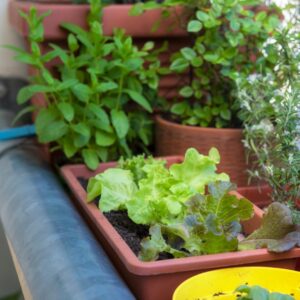
Option A: Windowsill pots (simplest, lowest cost)
This is the classic starter method. It works best if you have a bright window and you enjoy checking your plants daily.
- Use pots with drainage holes.
- Use a light, well-draining potting mix.
- Start with 1–3 pots, not ten.
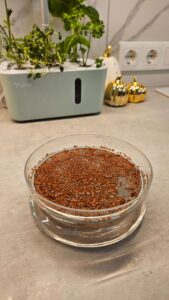
Option B: Self-watering pots (best if you forget watering)
If watering is your weak spot, self-watering containers are an excellent upgrade. They keep moisture more consistent, which reduces beginner mistakes like soaking the pot one day and letting it dry out the next.
You can start with self-watering pots for indoor plants or add helpful extras from self-watering solutions.
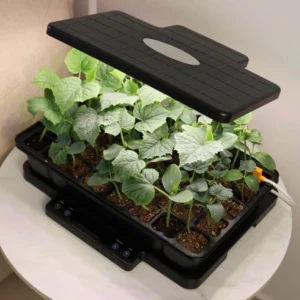
Option C: Smart gardens and hydroponic systems (most beginner-proof)
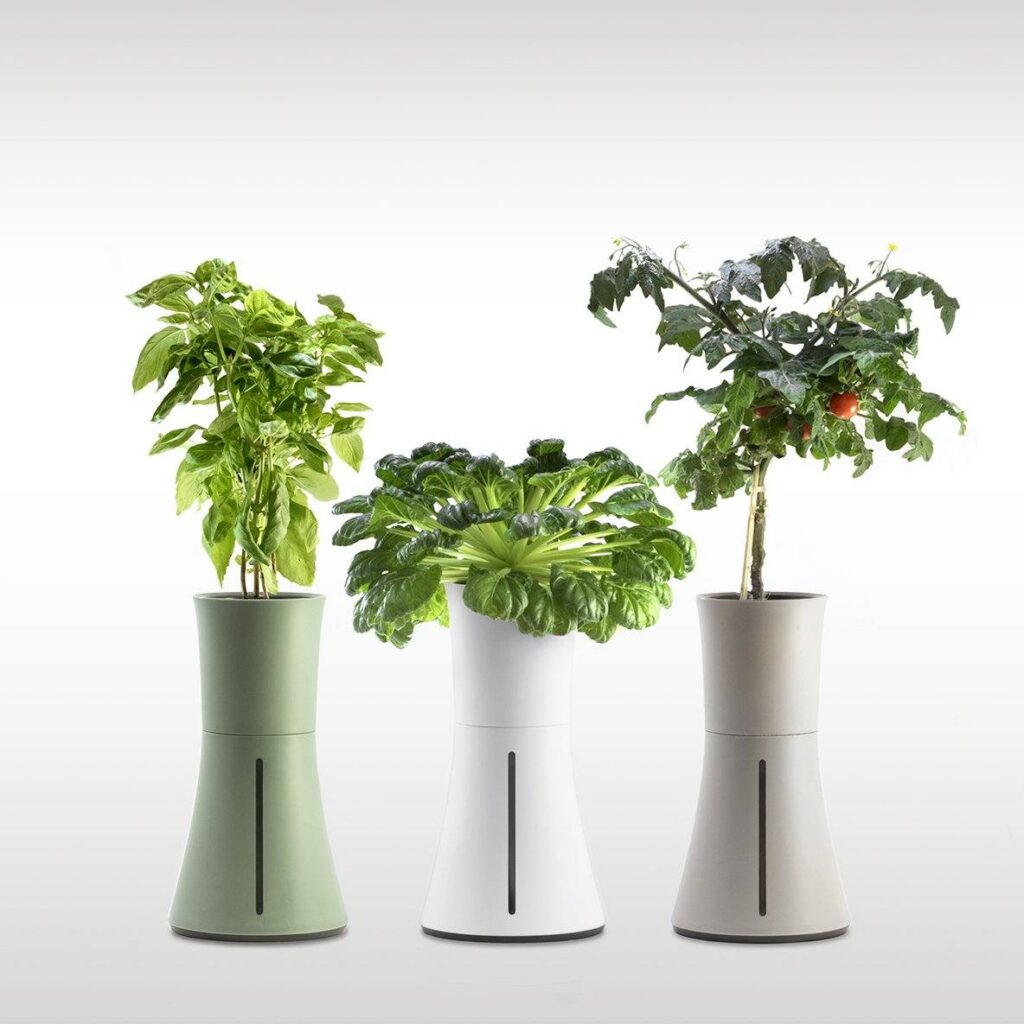
If your home is low-light, or you want a “set it up and follow prompts” experience, a smart garden is usually the easiest entry point. These systems are designed to solve the two big beginner problems. They include built-in LED lights and a water reservoir, so you are not dependent on window light and you are not watering daily.
You can explore smart gardens and choose a size that fits your space. If you want something compact, start with mini smart gardens. If you want bigger harvests, look at medium smart gardens or large smart gardens.
Step 3: Get the light right (this is where beginners struggle)
Light is the fuel. Without enough of it, plants stretch, stay weak, and disappoint you. University extension guides are very clear on this: window direction and light intensity matter, and seed starting often needs supplemental light when indoor light is moderate. You can read practical light guidance from the University of Minnesota Extension and the University of Maryland Extension here: UMN Extension and UMD Extension.
- If you have a bright window: start with herbs and greens near the window and rotate pots every few days.
- If your home is darker: choose a smart garden with built-in lights, or add a grow light for pots.
If you want the simplest route, smart gardens remove most light guesswork because the light is built into the system.
Step 4: Water correctly (avoid schedules)
Beginners love schedules. Plants do not. Water needs change with light, temperature, humidity, pot size, and plant growth. Iowa State University Extension recommends checking rather than watering on a fixed weekly routine. See: How to Care for Houseplants (Iowa State).
- For pots: touch the soil. Water when the top layer feels dry, then water thoroughly until excess drains.
- For self-watering pots: keep the reservoir filled, but do not keep the surface constantly soggy.
- For smart gardens: top up water as needed, and follow the nutrient instructions for your specific system.
Step 5: Feed your plants without overdoing it
Plants in pots eventually use up what is available in the soil. Hydroponic systems rely on nutrients in the water from the start. If you underfeed, growth slows and leaves can look pale. If you overfeed, you can stress plants and create buildup.
If you are growing in soil
Use a gentle indoor fertilizer and follow the label. If you want a simple place to start, browse fertilizers for indoor plants.
If you are growing in a smart garden or hydroponics
Hydroponic nutrients are usually mineral-based. That is normal in hydroponics because plants absorb nutrients as dissolved minerals. The practical quality factor is using the right dose and refreshing solution to prevent salt buildup. Oklahoma State University Extension explains EC and why nutrient salts matter, and it notes that replacing nutrient solution regularly helps manage salt levels: OSU Extension EC and pH guide. Penn State Extension also provides a solid overview of nutrient solution approaches: Penn State Extension.
To keep it simple, use the nutrient recommended for your system and refresh the water when it is time. You can find options in our fertilizers for hydroponics category, including measured products like LetPot hydroponics nutrients.
Step 6: Prevent the common beginner problems
“My seedlings are tall and floppy.”
This is almost always low light. Move closer to a bright window, add a grow light, or use a smart garden with built-in LEDs. Extension resources emphasize that intensity and duration both matter indoors. See: UMD Extension.
“I see mold on the soil or algae in water.”
Mold and algae show up when surfaces stay too wet and airflow is poor. Let the top layer dry slightly between waterings for soil pots, and avoid leaving plant debris on the surface. In hydroponic systems, keep unused pod holes covered and follow cleaning guidance from your manufacturer. Regular solution replacement also helps manage buildup and microbial issues. If you want your system to last, replacement parts can keep it running smoothly over time. See smart garden replacement parts.
“My leaves are yellow.”
Yellowing can mean too much water, too little light, or lack of nutrients. Start by checking moisture and light first, then consider feeding. For broader indoor care troubleshooting, Iowa State’s indoor gardening FAQ is a helpful reference: Iowa State Extension FAQ.
Step 7: Harvest in a way that makes plants grow more
This is the fun part. Regular harvesting keeps many herbs productive. Cut a little, often. For basil, pinch above a leaf pair to encourage branching. For leafy greens, harvest outer leaves and let the center keep growing. With smart gardens, harvesting is usually the easiest “maintenance” you will do, and it is the moment where indoor gardening starts to feel like a real lifestyle upgrade.
A simple beginner plan you can follow this week
- Day 1: Pick one setup: pots, self-watering, or a smart garden.
- Day 1: Choose two plants: one herb and one leafy green from seeds.
- Day 1: Place them in the brightest spot you have, or use a smart garden.
- Week 1: Check moisture daily, water only when needed, and keep notes.
- Week 2: Start light feeding if growing in pots, or follow your hydroponic nutrient instructions.
- Week 3+: Harvest small amounts regularly.
Conclusion
The best beginner indoor garden is the one that fits your space and keeps you consistent. If you have good natural light, start with a couple of pots and simple herbs. If watering is your weak spot, self-watering containers make success much more predictable. If you want the easiest path with the least guesswork, smart gardens handle lighting and watering for you and are often the fastest way to get a real harvest at home.
If you are not sure which direction to take, start by choosing what you want to grow, then pick the setup that makes light and watering easiest in your home. If you want help, you can always reach us via contact.
FAQ
What is the easiest indoor garden for a complete beginner?
A smart garden is usually the easiest because it includes built-in LED lights and a water reservoir. It reduces the two biggest beginner problems: low light and inconsistent watering.
What should I grow first indoors?
Start with herbs and leafy greens like basil, parsley, chives, dill, and lettuce. They grow quickly and are forgiving.
Do I need grow lights to start an indoor garden?
Not always. If you have a bright window you can grow many herbs and greens. If light is limited, grow lights or a smart garden with built-in LEDs makes results much more reliable.
How often should I water indoor plants?
Do not follow a strict schedule. Check the soil and water when it needs it. Light, temperature, humidity, pot size, and plant type all change watering needs.
Are self-watering pots good for beginners?
Yes. They help keep moisture consistent and reduce mistakes caused by forgetting to water or overwatering.
Do hydroponic smart gardens use chemicals?
Hydroponics uses mineral nutrients dissolved in water. Plants absorb nutrients as minerals whether they come from soil or hydroponic solutions. The key is using the correct dose and refreshing the solution to prevent buildup.
Why is my indoor plant getting mold on top of the soil?
Usually because the surface stays too wet and airflow is low. Reduce watering frequency, improve airflow, and remove plant debris from the surface.
How do I keep a smart garden running long-term?
Follow the cleaning and nutrient instructions, cover unused pod holes, and replace worn parts when needed. Using genuine replacement parts helps extend the system lifespan.