If you want one simple answer, it’s this: the healthiest herb to grow is the one you actually use fresh. Growing herbs indoors means you harvest only what you need, right when you need it. That freshness changes everything. Vitamins, antioxidants, and aroma compounds start breaking down as soon as herbs are cut. When you grow them yourself, nothing is lost to long transport, cold storage, or days on a supermarket shelf.
That said, some herbs truly stand out for their nutritional value and everyday health benefits. Below, we look at the healthiest herbs you can grow indoors, what they contain, how they support your body, and why home growing makes them even better.
Why growing herbs yourself makes them healthier
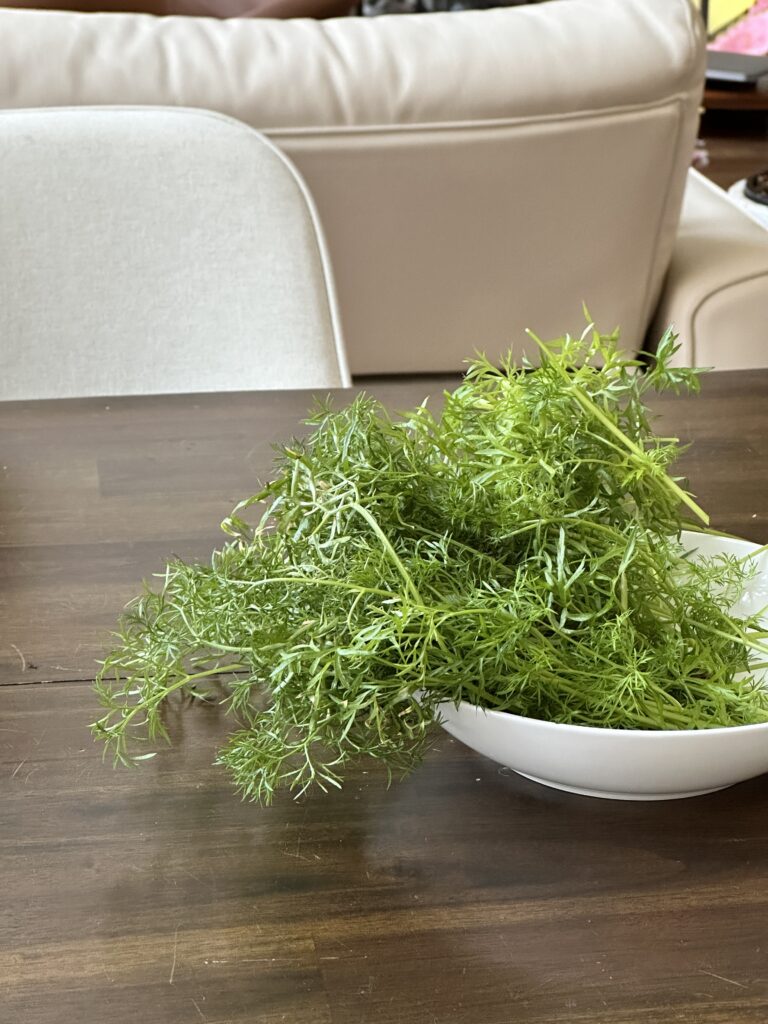
Fresh herbs are delicate. Many of their most valuable compounds are volatile, meaning they fade quickly after harvest. Store-bought herbs are often several days old by the time they reach your kitchen. Indoor-grown herbs let you cut them seconds before use, which means:
- Higher vitamin and antioxidant retention
- Stronger flavor, so you naturally use less salt and fat
- No waste from wilted bunches in the fridge
- Full control over how the plant is grown
This is especially important for leafy herbs that are used raw or lightly cooked.
Top healthiest herbs you can grow indoors
Basil
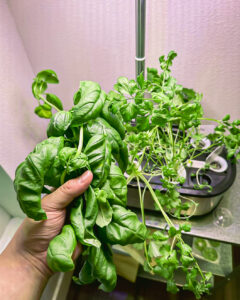
Basil is one of the most nutrient-dense culinary herbs and one of the easiest to grow indoors. It contains vitamin K (important for blood clotting and bone health), vitamin A (supports vision and immune function), and powerful antioxidants like eugenol.
Fresh basil also supports digestion and has mild anti-inflammatory properties. When grown at home, basil keeps its essential oils far better than store-bought bunches, which often lose aroma quickly.
Want to grow your own fresh basil at home? Start with high-quality basil seeds and enjoy aromatic leaves whenever you need them.
Parsley
Parsley is often underestimated, but nutritionally it is a powerhouse. It is rich in vitamin C, vitamin K, and iron, and contains flavonoids that support antioxidant defenses in the body.
Because parsley is usually sprinkled fresh, growing it yourself makes a noticeable difference. Freshly cut parsley has a brighter taste and higher vitamin C levels than parsley that has been sitting in cold storage.
Use parsley fresh instead of letting it wilt in the fridge. Grow it yourself with reliable parsley seeds and harvest only what you need.
Rosemary
Rosemary is known for its high antioxidant content, especially compounds linked to brain health and memory support. It also has antimicrobial properties and supports digestion.
Fresh rosemary has much stronger aromatic oils than dried versions. Indoor growing allows you to snip small sprigs often, keeping the plant productive and the flavor intense.
Fresh rosemary makes a real difference in flavor. You can grow it year-round indoors from rosemary seeds.
Thyme
Thyme contains thymol, a compound with antibacterial and antifungal properties. It also provides vitamin C and supports respiratory health.
Because thyme is often used in small amounts, having it growing nearby encourages frequent use, adding flavor and functional benefits to everyday meals.
Thyme is one of those herbs you use a little at a time. Growing it at home with thyme seeds keeps it always fresh and ready.
Chives
Chives are rich in vitamin K and contain sulfur compounds similar to those found in onions and garlic. These compounds are linked to heart health and immune support.
Fresh chives lose their flavor quickly after cutting, so home growing gives you a clear advantage. Snip only what you need, and the plant keeps producing.
Snip fresh chives straight into your meals. Start your own indoor pot with easy-to-grow chives seeds.
Mint (including peppermint)
Mint is well known for supporting digestion and soothing the stomach. It also contains antioxidants and has a refreshing effect that can help reduce the need for sugar in drinks and desserts.
Fresh mint grown indoors is far more aromatic than packaged mint and can be harvested continuously without waste.
Fresh mint is best used right after harvest. Grow it yourself with fragrant mint seeds for teas, desserts, and drinks.
Dill
Dill provides vitamin A, vitamin C, and compounds that support digestion. It is often used fresh, which makes it a perfect candidate for indoor growing.
When dill is cut fresh, its delicate flavor is much more pronounced than dried or packaged versions.
Dill loses its flavor quickly after cutting. Growing it from dill seedsmeans you always have it at its best.
So… which one is the healthiest?
If we look purely at nutrient density and versatility, parsley and basil are often at the top. Parsley delivers exceptional vitamin content, while basil combines antioxidants with wide culinary use. From a practical health perspective, the healthiest herb is usually the one you reach for daily.
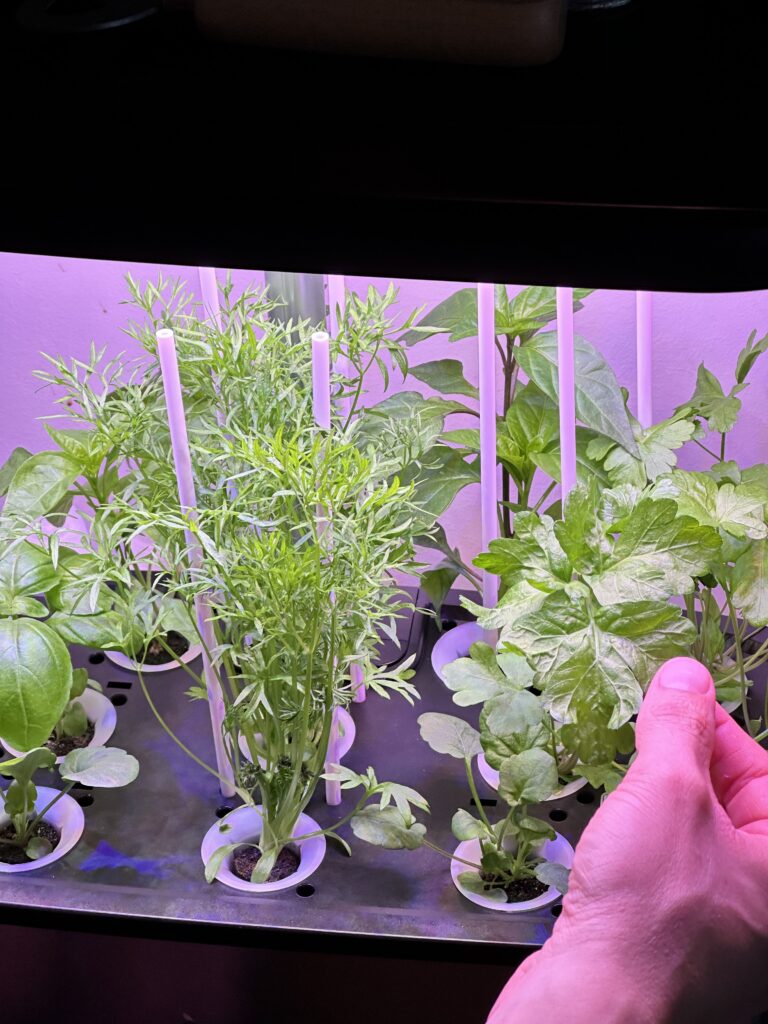
Growing several herbs together gives you the biggest benefit. You get variety, different nutrients, and more reasons to cook fresh.
How plant food affects herb quality
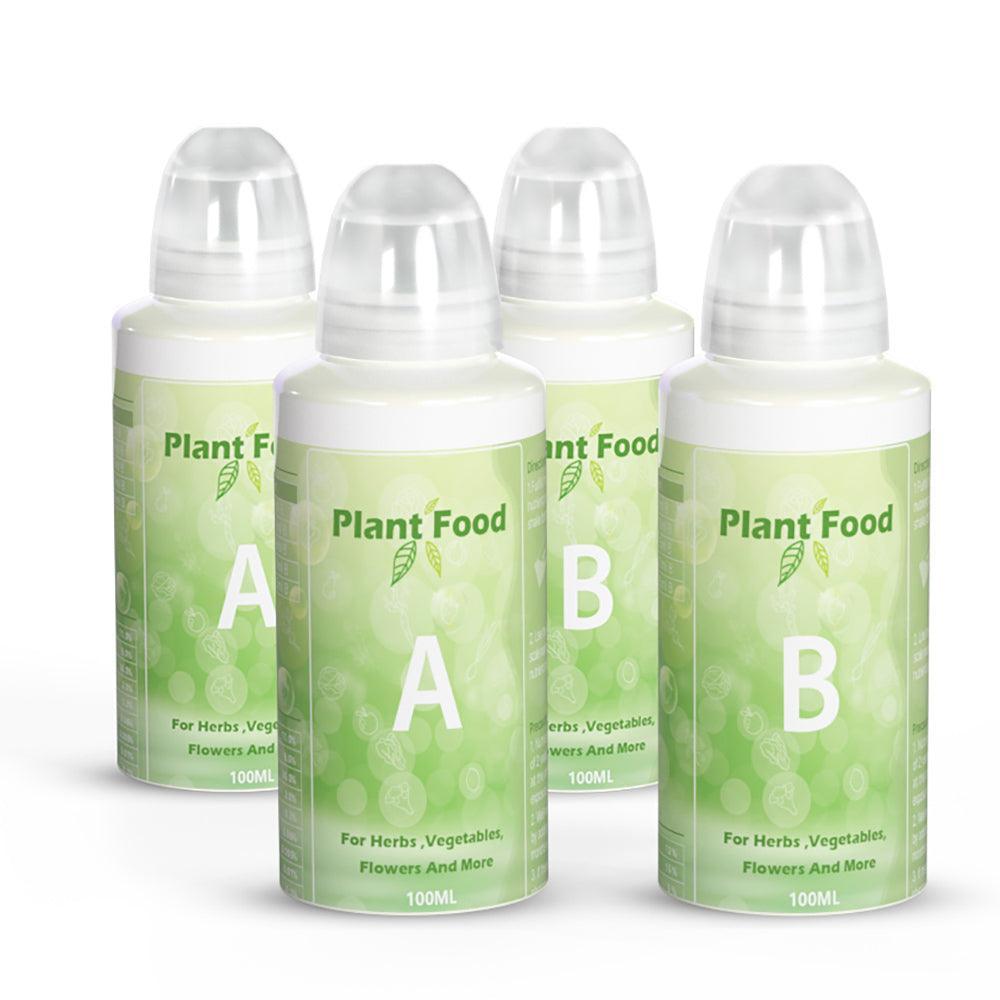
Indoor herbs are commonly grown with mineral-based plant food rather than certified organic fertilizer. This often raises questions about quality and safety.
Mineral nutrients vs organic fertilizer
Plants absorb nutrients as minerals, regardless of whether they come from organic compost or a formulated plant nutrient solution. Nitrogen, potassium, calcium, magnesium, and trace elements are taken up in the same ionic form.
When used correctly, modern plant food provides precise nutrition that supports healthy growth, strong flavor, and consistent leaf quality.
Does non-organic plant food reduce nutritional value?
There is no evidence that properly used mineral nutrients make herbs less nutritious. In fact, nutrient deficiencies reduce vitamin and antioxidant levels. A well-fed plant produces more chlorophyll, essential oils, and bioactive compounds.
The key factor is correct dosage. Overfeeding can stress plants and dilute flavor, while balanced feeding supports compact growth and richer taste.
Why indoor-grown herbs are still a clean option
- No soil contamination from outdoor pollutants
- No need for pesticides in a controlled indoor environment
- Precise feeding instead of unknown field conditions
- You control watering, light, and harvest timing
Rinsing fresh herbs before use is always recommended, but indoor-grown herbs generally start cleaner than mass-produced alternatives.
Harvesting fresh: the hidden health advantage
The biggest health benefit of growing herbs yourself is timing. You harvest seconds before eating. Vitamin C, aromatic oils, and antioxidants are at their peak. Nothing wilts in the fridge, and nothing gets thrown away.
Frequent harvesting also keeps plants young and productive. Younger leaves are often more tender, flavorful, and nutritionally dense.
Conclusion
There is no single “perfect” herb, but basil and parsley consistently rank among the healthiest herbs you can grow indoors. Rosemary, thyme, chives, mint, and dill each add unique benefits. Growing them yourself means maximum freshness, less waste, and full control over quality.
If your goal is better everyday nutrition with minimal effort, an indoor herb garden is one of the simplest upgrades you can make to your kitchen.
FAQ
What is the healthiest herb to grow?
Parsley and basil are often considered the healthiest due to their high vitamin and antioxidant content, but the healthiest herb is the one you use fresh most often.
Are fresh herbs healthier than dried herbs?
Yes. Fresh herbs usually contain higher levels of vitamins and volatile compounds that are lost during drying and long storage.
Does growing herbs indoors reduce their nutritional value?
No. With proper light and balanced plant food, indoor-grown herbs can be just as nutritious as outdoor-grown herbs.
Is non-organic plant food safe for edible herbs?
Yes, when used according to instructions. Plants absorb nutrients as minerals, and correct feeding supports healthy growth and flavor.
Why do homegrown herbs taste stronger?
They are harvested fresh, so essential oils and aroma compounds are at their peak and have not degraded during transport or storage.
Which herb is best for beginners?
Basil, chives, and parsley are among the easiest herbs to grow indoors and are very forgiving for beginners.
To find the best seeds for growing herbs at home, see our indoor garden seeds guide.