To grow mint indoors without it taking over, keep each plant in its own wide, shallow pot with drainage holes, give it at least six hours of light, and harvest the shoot tips every one to two weeks. Mint spreads through underground rhizomes, so containing the roots and pruning often keeps a single plant tidy, leafy and productive on any windowsill.
Mint left untended on a windowsill can push roots through every gap in its pot within a couple of months and flop over whatever herb sits beside it. Mint is one of the easiest herbs to keep alive and one of the easiest to let run wild. The fix is not more space, it is the right container and a steady harvesting habit. Here is how to keep it contained, bushy and within reach of the kettle.
Why mint spreads so aggressively indoors
Mint is a herbaceous perennial in the Lamiaceae family that spreads by rhizomes, underground stems that travel sideways and send up new shoots as they go. There are around 25 species of Mentha plus dozens of hybrids, and most share the same vigorous, creeping habit. The University of Minnesota Extension notes that hardy perennials in the mint family can become invasive, especially the true mints. Indoors that energy has nowhere to go, so the roots circle the pot, choke themselves, and the top growth gets leggy. Understanding that the plant spreads from its roots, not its seeds, is the whole secret to keeping it under control. Contain the rhizomes and you contain the plant.
Choosing the right pot to keep mint contained
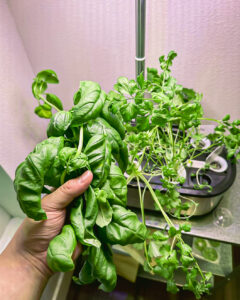
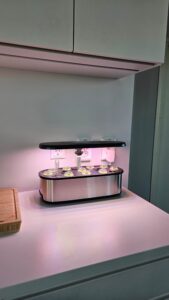
A good mint pot is a wide, shallow container with drainage holes, because that shape lets the rhizomes run out of room before they run out of soil. Pots around 20 to 25 cm across and 15 to 18 cm deep work well, enough for a single plant for a full season. Plastic and glazed ceramic hold moisture more evenly than porous terracotta, so you water less often. The one rule worth never breaking is one mint per pot. Sharing a container with basil or parsley usually ends with the mint smothering its neighbours within weeks. If you would rather skip soil altogether, a compact countertop system such as the herb garden starter bundle keeps roots in separate pods so there is no spread to manage at all.
Light, water and temperature for indoor mint
Light is the factor most people get wrong. Mint needs at least six hours of bright light a day, and a south or west-facing windowsill usually delivers it. Through the darker months a simple grow light running 12 hours a day prevents the thin, stretched growth you get on a dim sill. Keep the room between 18 and 21 °C, away from radiators and cold draughts, which dry the leaves and stress the plant. Water when the top 1 to 2 cm of compost feels dry, then soak until it drains from the bottom. Mint likes steady moisture but hates sitting in water, and root rot from soggy compost is the most common killer of indoor herbs. A 2 L pot will usually need watering two or three times a week in summer and far less in winter.
Pruning and harvesting to keep mint compact
Harvesting is how you control size, so pick early and often rather than waiting for a big crop. The RHS mint guide recommends cutting just above a pair of leaves, which pushes the plant to branch into two new stems from that point. Here is a routine that works well:
- Pinch or snip the top 5 to 10 cm of each stem every one to two weeks during active growth.
- Always cut just above a leaf node so the plant branches outward instead of upward.
- Remove any flower buds as soon as they appear, since flowering makes the leaves taste weaker.
- Once a stem gets woody or bare at the base, cut it right back to about 5 cm and let fresh shoots take over.
Picking the young shoot tips this way keeps the plant bushy, gives the strongest flavour, and stops it sprawling across the windowsill.
Repotting mint before it outgrows its pot
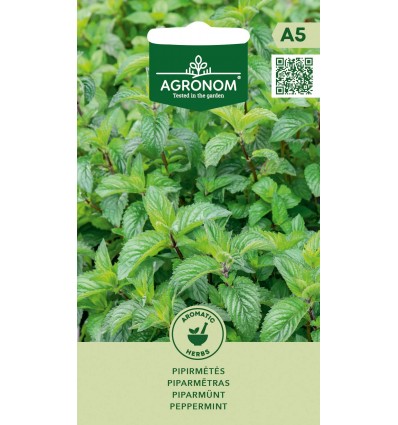
Even a well-managed mint plant fills its container within a couple of years, and a root-bound mint slows down and yellows. Every two to three years, tip the plant out in spring, slice the rootball into two or three sections with a clean knife, discard the tired woody centre, and replant one fresh section into the same pot with new compost. This single job resets the plant and gives you spare divisions to pass on. If you prefer to start clean rather than divide, sowing fresh peppermint seeds in early spring gives a compact young plant within a few weeks, since seed germinates in roughly two weeks at 20 °C.
Containment methods compared
| Method | Best for | Watch out for |
|---|---|---|
| Single wide, shallow pot | Most windowsills, one plant | Repot every 2 to 3 years |
| Hydroponic pod system | No soil, no mess, fast growth | Keep mint in its own pod |
| Frequent harvesting | Keeping any mint compact | Needs a steady weekly habit |
| Annual division | Long-term, vigorous plants | Best done in spring |
Frequently asked questions
Can mint really grow indoors all year?
Yes. Mint grows happily indoors year round on a bright windowsill or under a grow light. It naturally slows in winter as days shorten, so harvest more lightly during the darkest months. For more detail, see our guide on whether mint can grow indoors.
How do I stop mint roots escaping the pot?
Use a pot with drainage holes standing on a saucer rather than sunk into a larger container of soil. Indoors the roots have nowhere to escape to, so a single pot is naturally contained as long as you do not let it sit in a tray of wet soil.
How often should I water indoor mint?
Check the compost every couple of days and water when the top 1 to 2 cm feels dry. In a warm room that is usually two or three times a week in summer and once a week or less in winter. Never let it sit in standing water.
Why has my indoor mint gone leggy?
Leggy, stretched stems almost always mean too little light. Move the plant to a brighter window or add a grow light for 12 hours a day, then cut the stems back to about 5 cm to force bushier regrowth.
Which mint is best for a windowsill?
Peppermint and spearmint are the two classic culinary mints and both stay manageable in a pot with regular harvesting. Peppermint has the stronger, cooler flavour most people want for tea.
Keep your mint tidy and your kitchen stocked
Containing mint indoors comes down to three habits: one plant per pot, plenty of light, and harvesting the tips every week. Do those and a single plant will keep a kitchen in fresh leaves for years without ever taking over. If you are deciding what else to put on the sill, our overview of what herbs you can grow indoors is a good next read, and you can start your own contained crop with peppermint seeds from IndoorGarden.